Damascus Steel
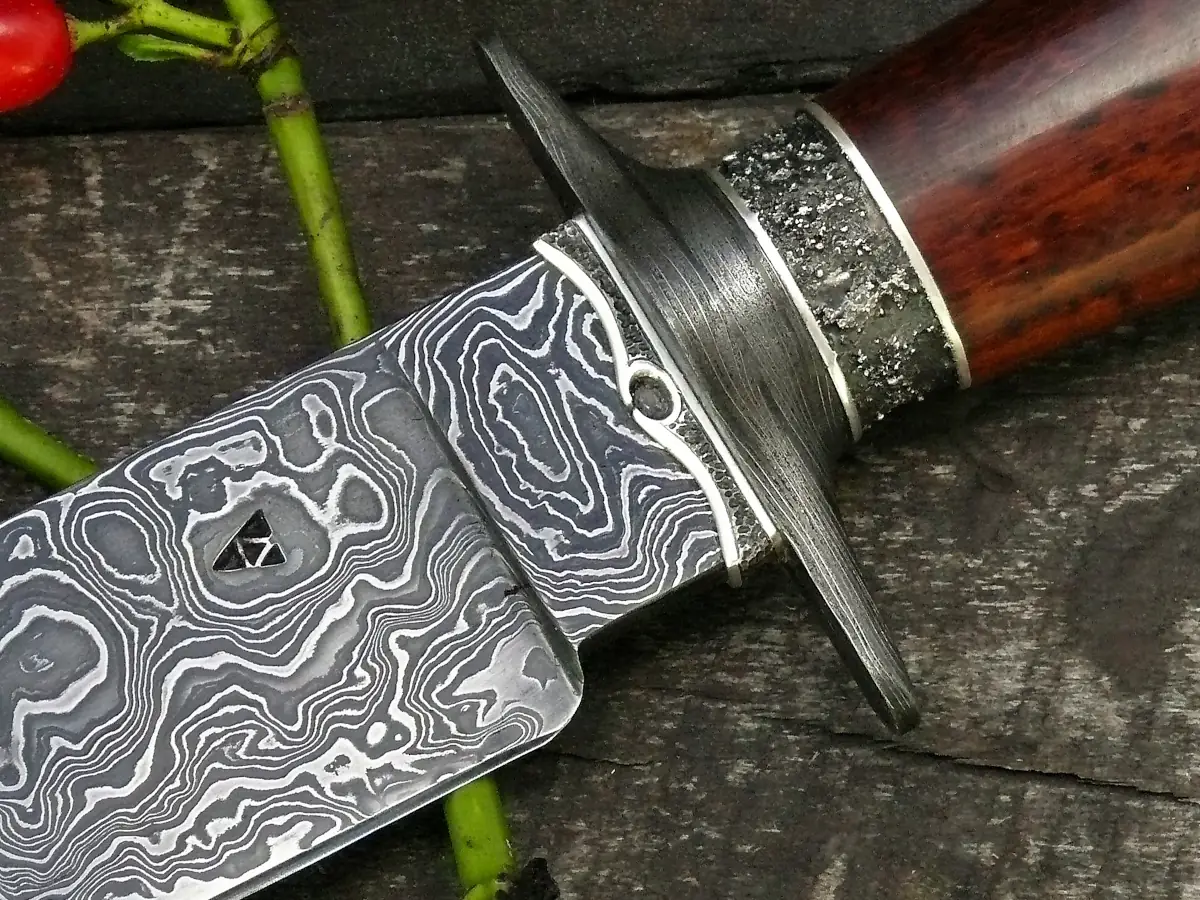
What is Damascus?
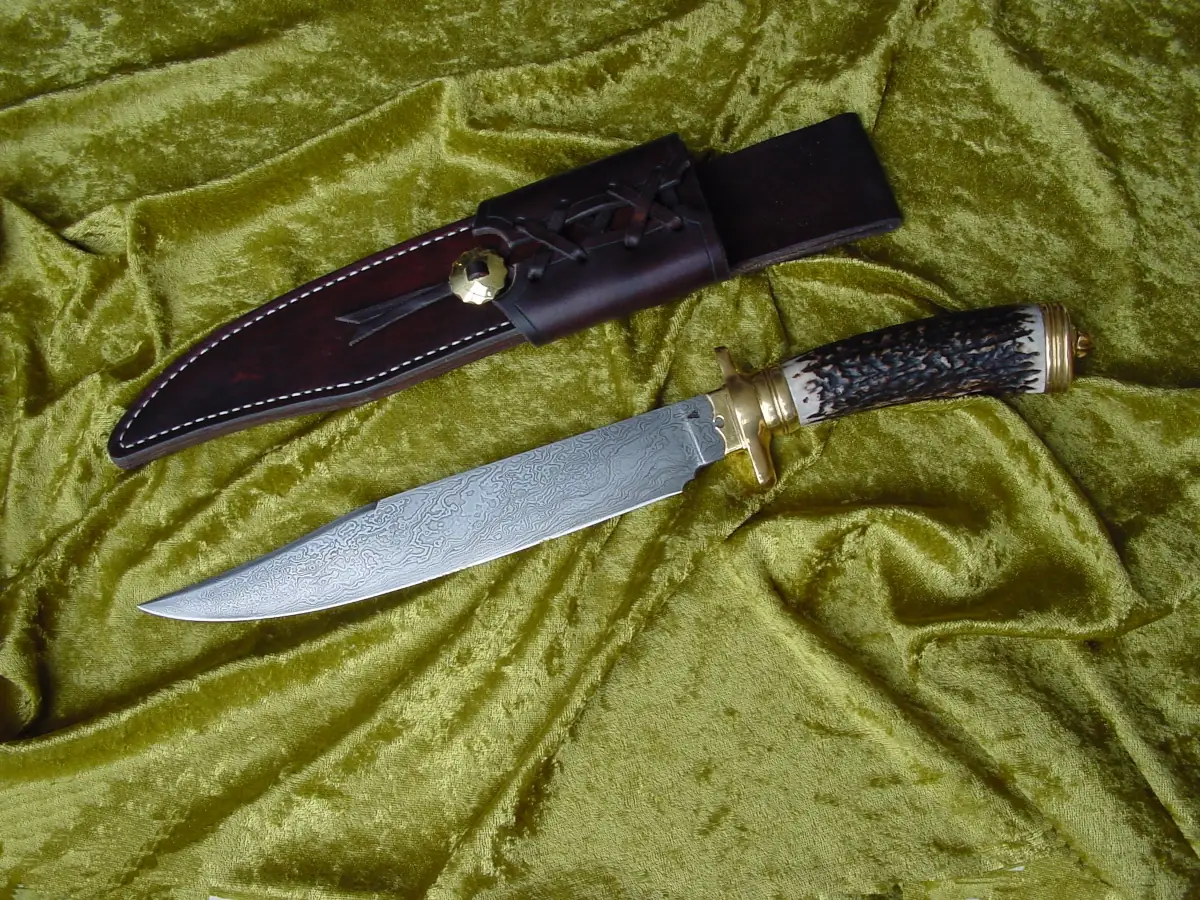
Damascus steel, renowned for its exceptional quality and distinctive wavy patterns, has a rich history and a unique manufacturing technique that dates back to ancient times. Originating in the Middle East, the steel is named after the Syrian city of Damascus, which was a prominent center for steel production during the medieval period.
The history of Damascus steel can be traced back to as early as 300 BCE, with its peak popularity occurring between the 9th and 16th centuries. Skilled craftsmen in the Middle East, particularly in Persia and India, were known for creating weapons and tools with unmatched strength and sharpness using this steel. The Crusaders, who encountered these exceptional blades during their campaigns, were fascinated by their quality and brought them back to Europe, further enhancing the steel’s reputation.
The technique behind Damascus steel involves a meticulous process known as pattern welding. It begins by combining different types of iron and steel with varying carbon content. The craftsmen stack and forge-weld these layers together, creating a laminated structure. This layered construction contributes to the steel’s unique appearance and its exceptional mechanical properties.
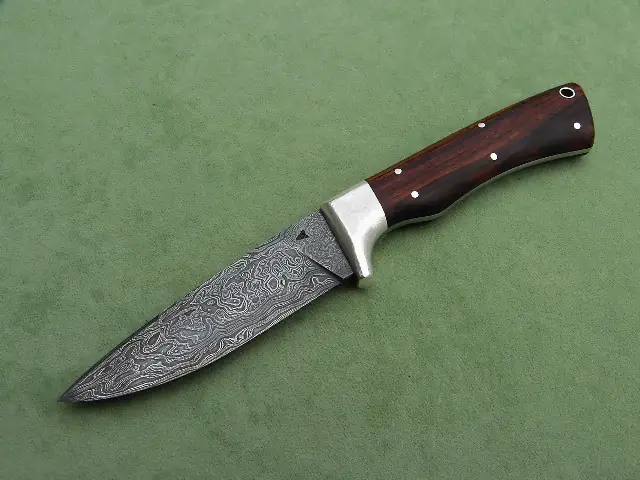
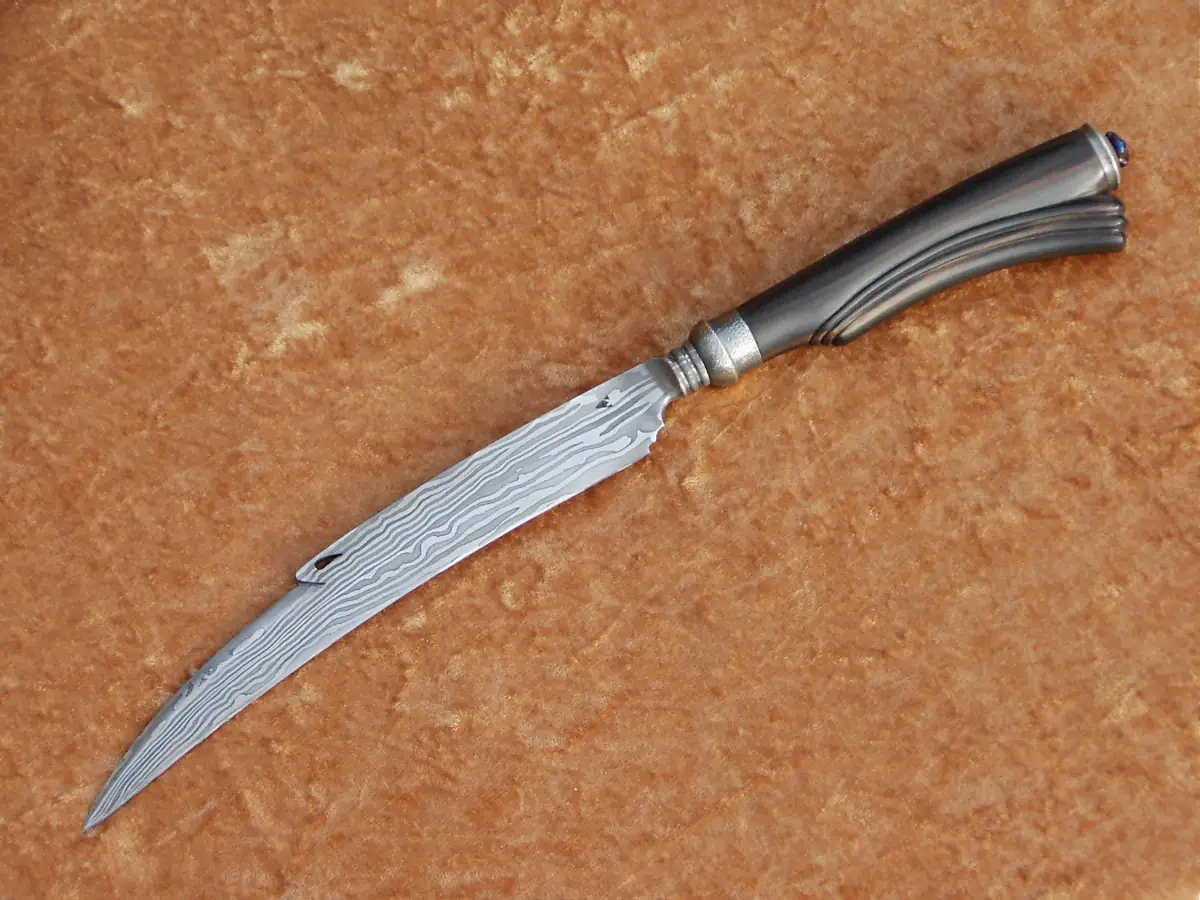
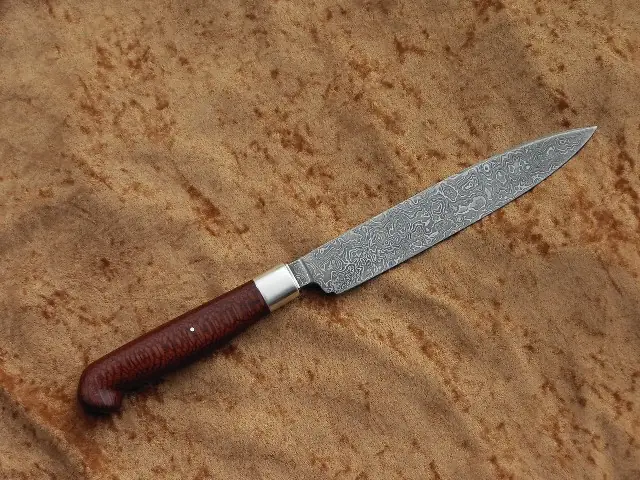
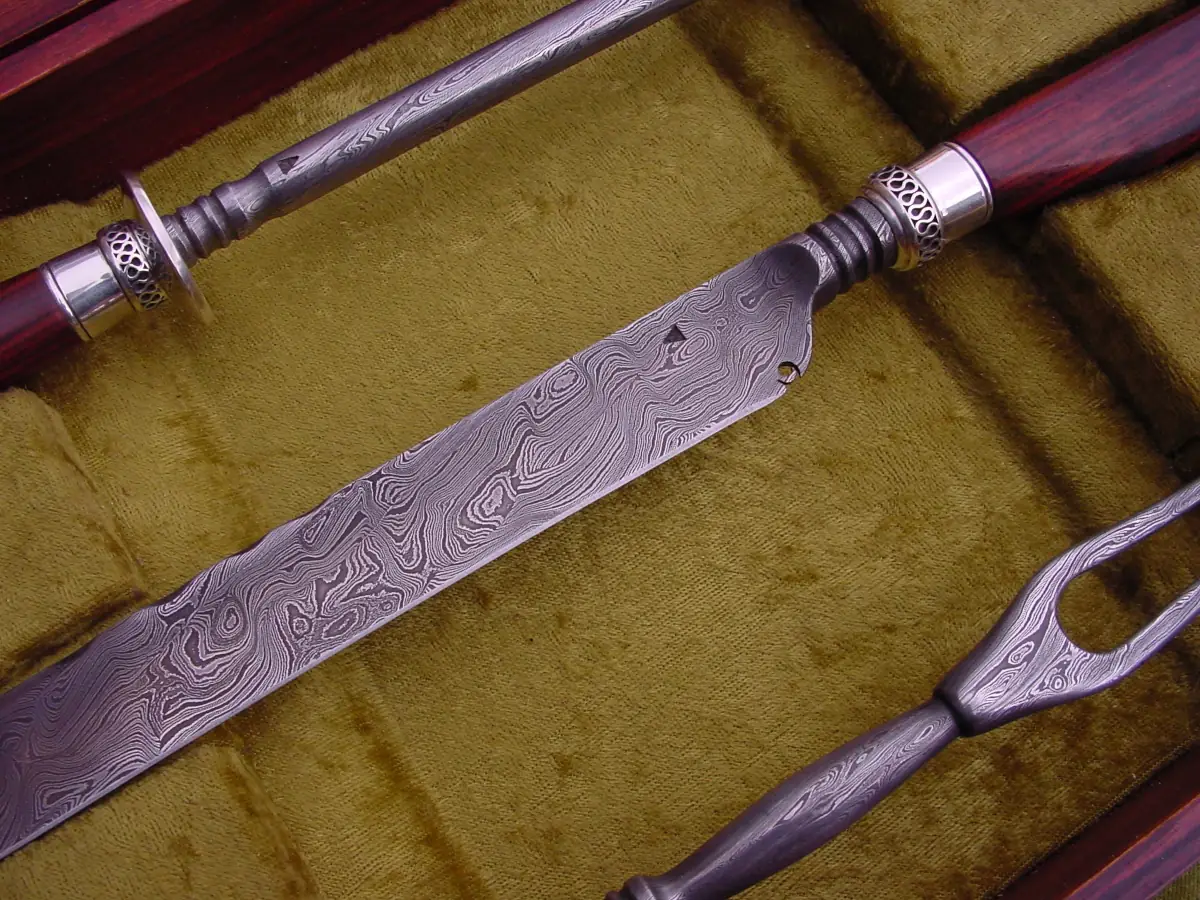
One of the distinctive features of Damascus steel is its characteristic water-like patterns, also known as damask patterns, which result from the contrasting layers of different metals. The steel is then heat-treated, quenched, and tempered to achieve optimal hardness and toughness. The repeated folding and forging of the steel during the process help eliminate impurities and distribute the carbon content evenly, contributing to the steel’s superior performance.
While the exact composition of historical Damascus steel remains a subject of debate and mystery, it is widely accepted that the combination of a high-carbon steel and a softer iron is a key factor in achieving its remarkable qualities. The technique declined in popularity around the 17th century, and the secrets of producing authentic Damascus steel were lost over time. Efforts to rediscover the precise methods have continued, with modern metallurgists attempting to replicate its properties using various combinations of metals and forging techniques.
In the contemporary era, the term “Damascus steel” is often used more broadly to refer to any steel with a visible pattern, created through modern methods like pattern welding or etching. While the historical origins and techniques of authentic Damascus steel remain elusive, its legacy persists as a symbol of craftsmanship and metallurgical mastery, capturing the fascination of historians, collectors, and enthusiasts alike.
The Process – Creating a Seax
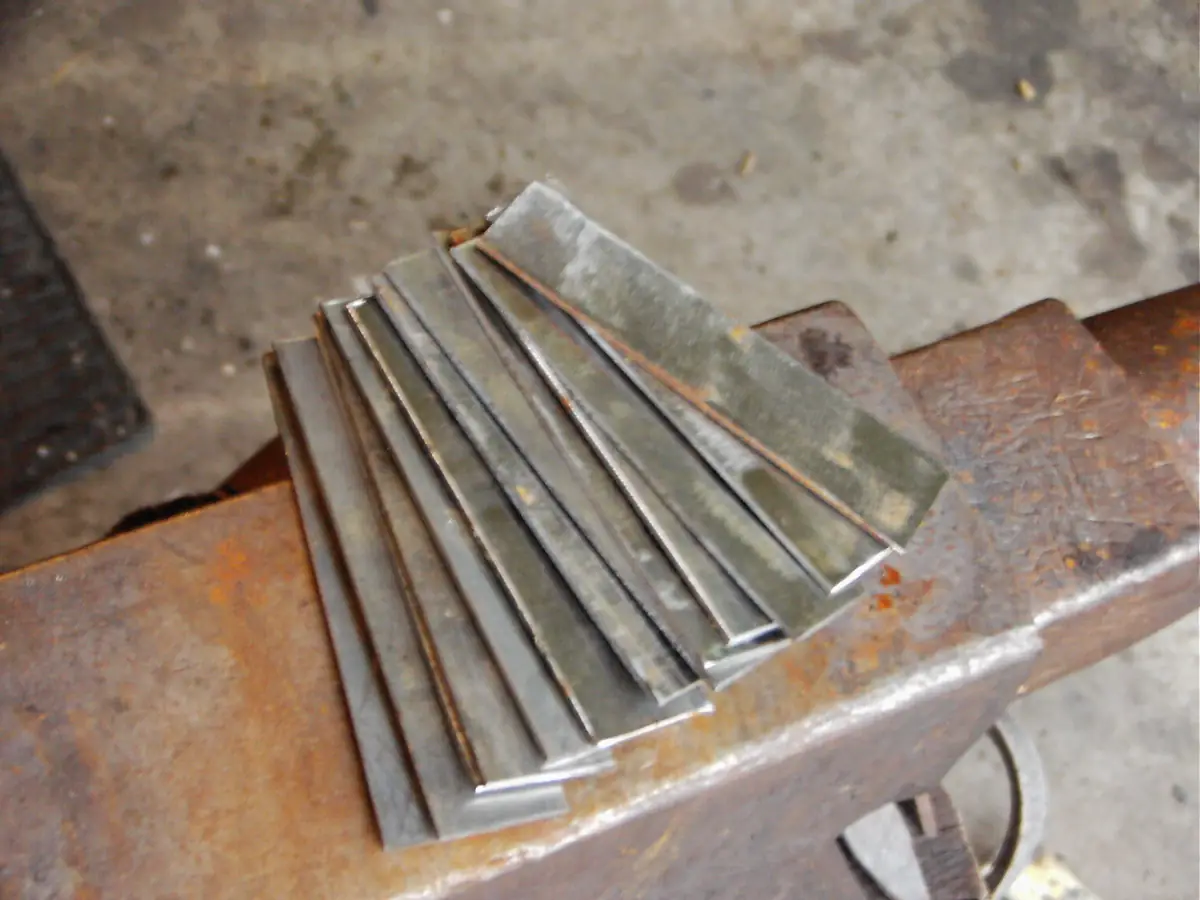
1. Steel plates
Making of a Seax
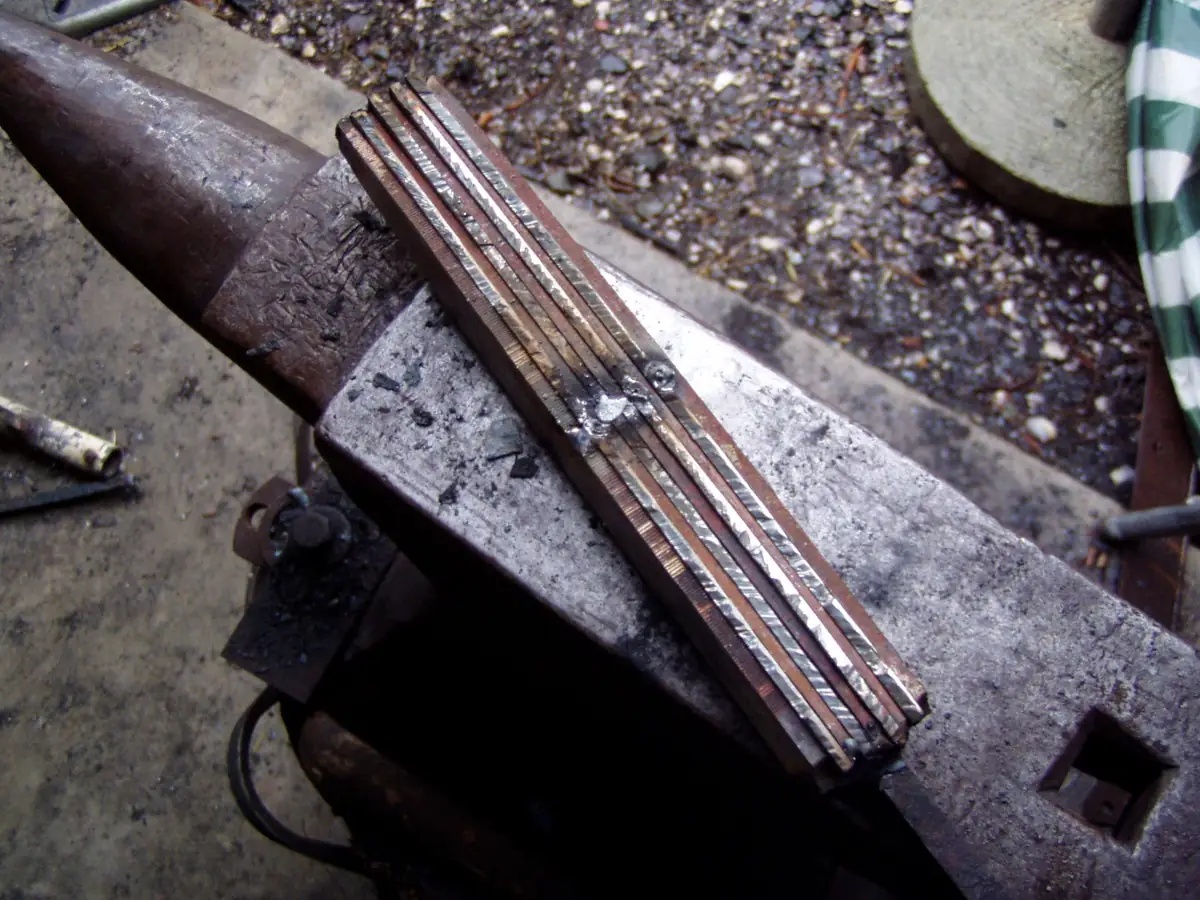
2. Tacked together
Making of a Seax
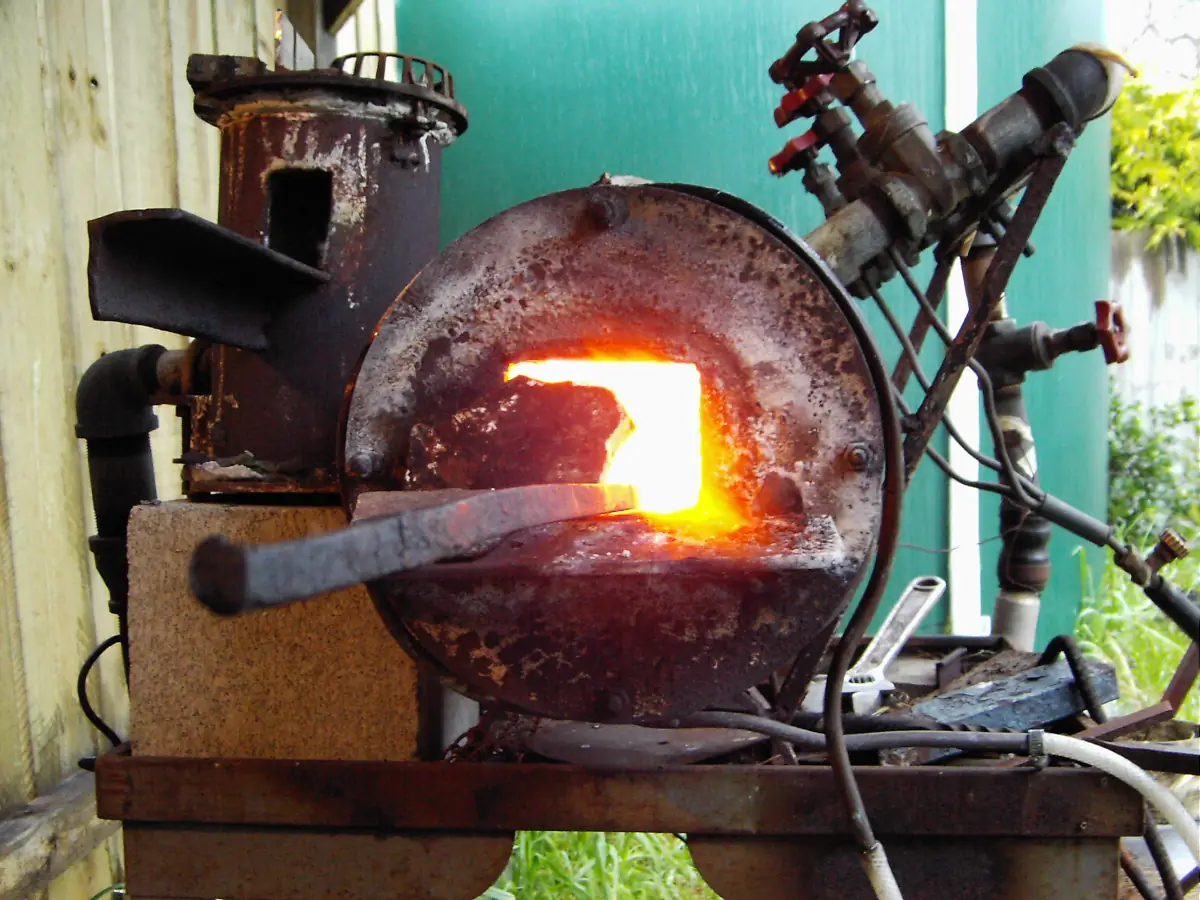
3. In furnace
Making of a Seax
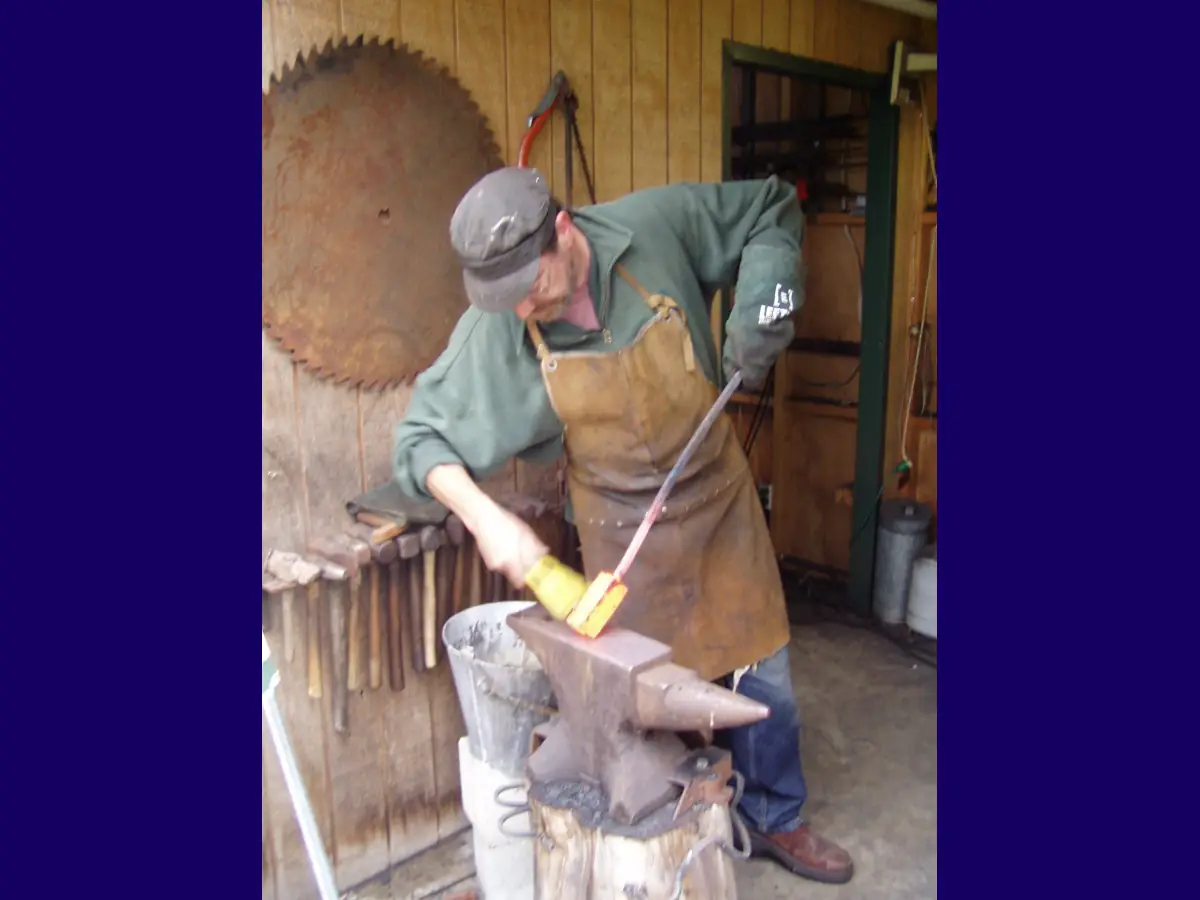
4. Cleaning the hot billet
Making of a Seax
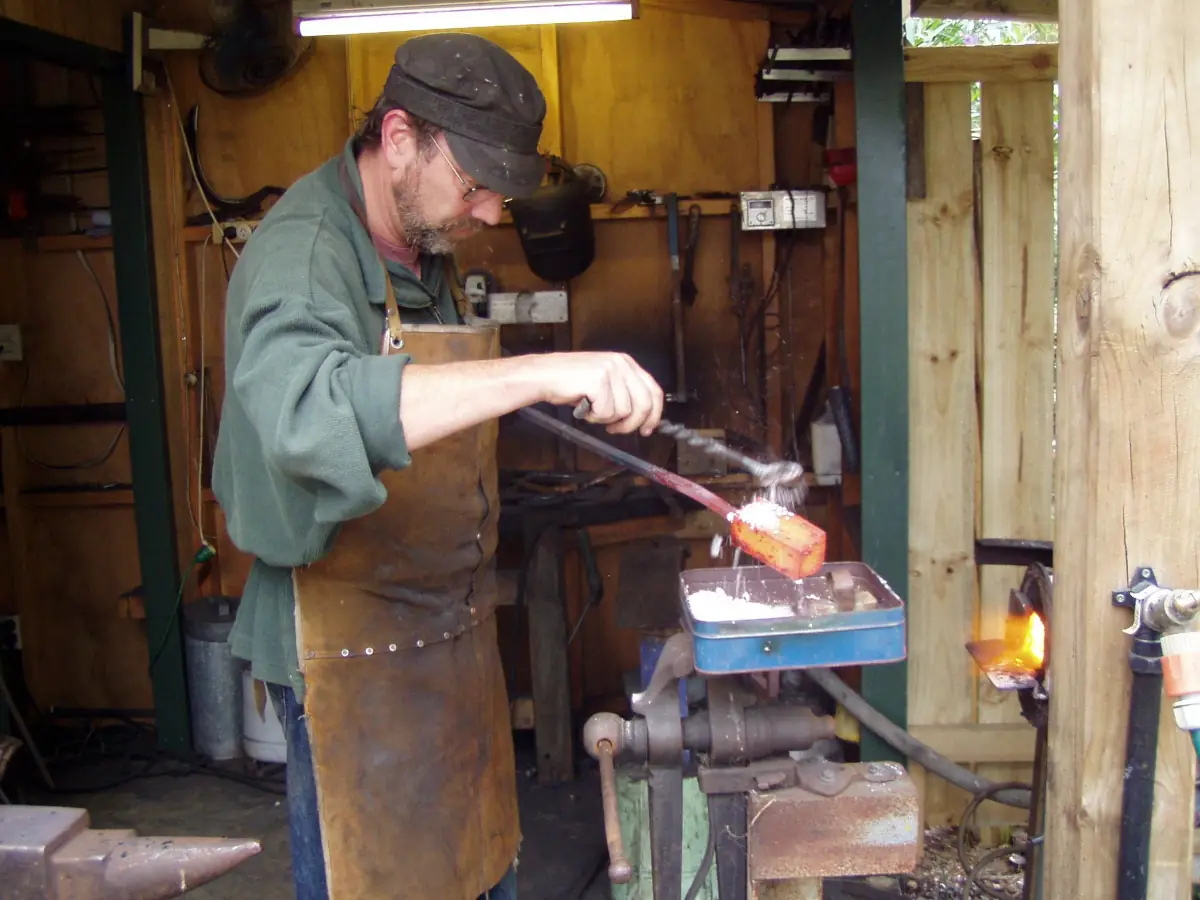
5. Fluxing the billet
Making of a Seax
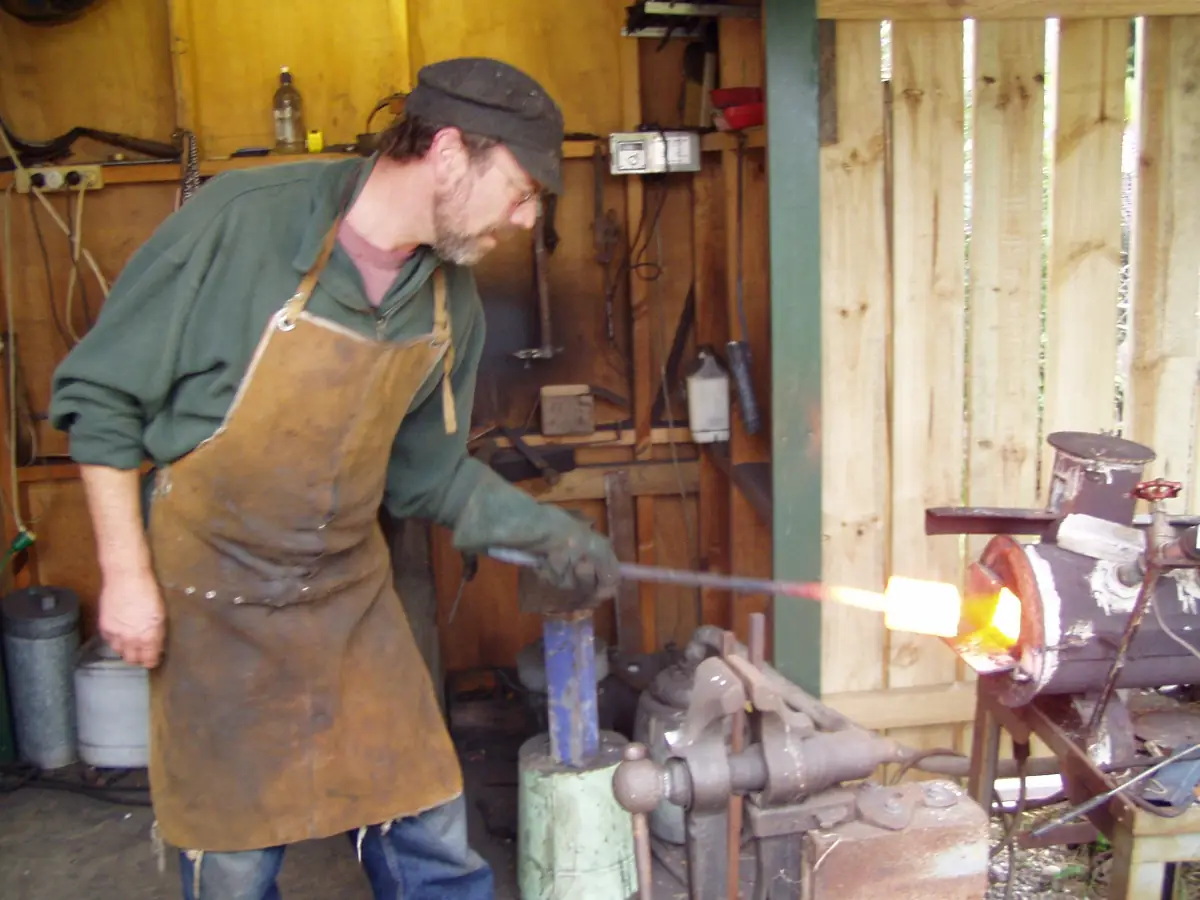
6. Out of the furnace
Making of a Seax
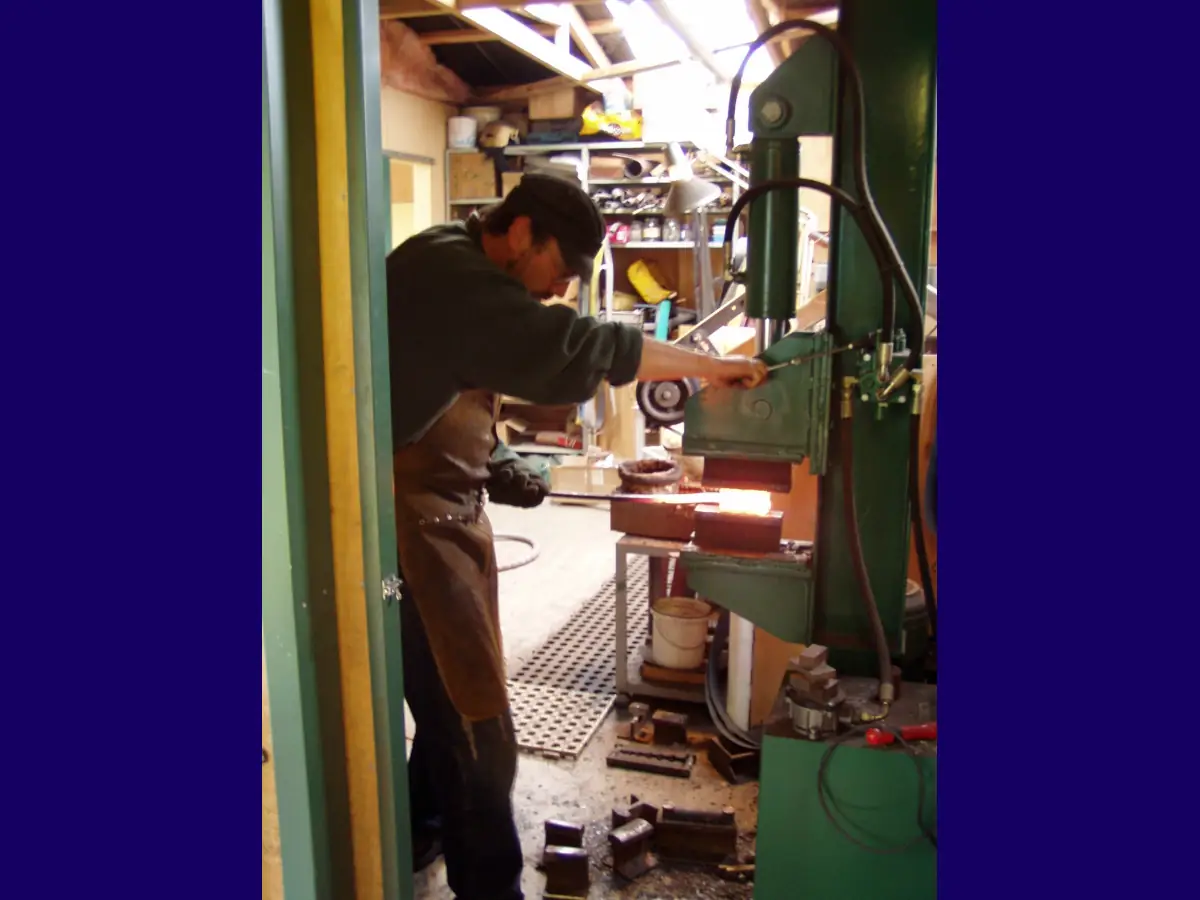
7. Press forging
Making of a Seax
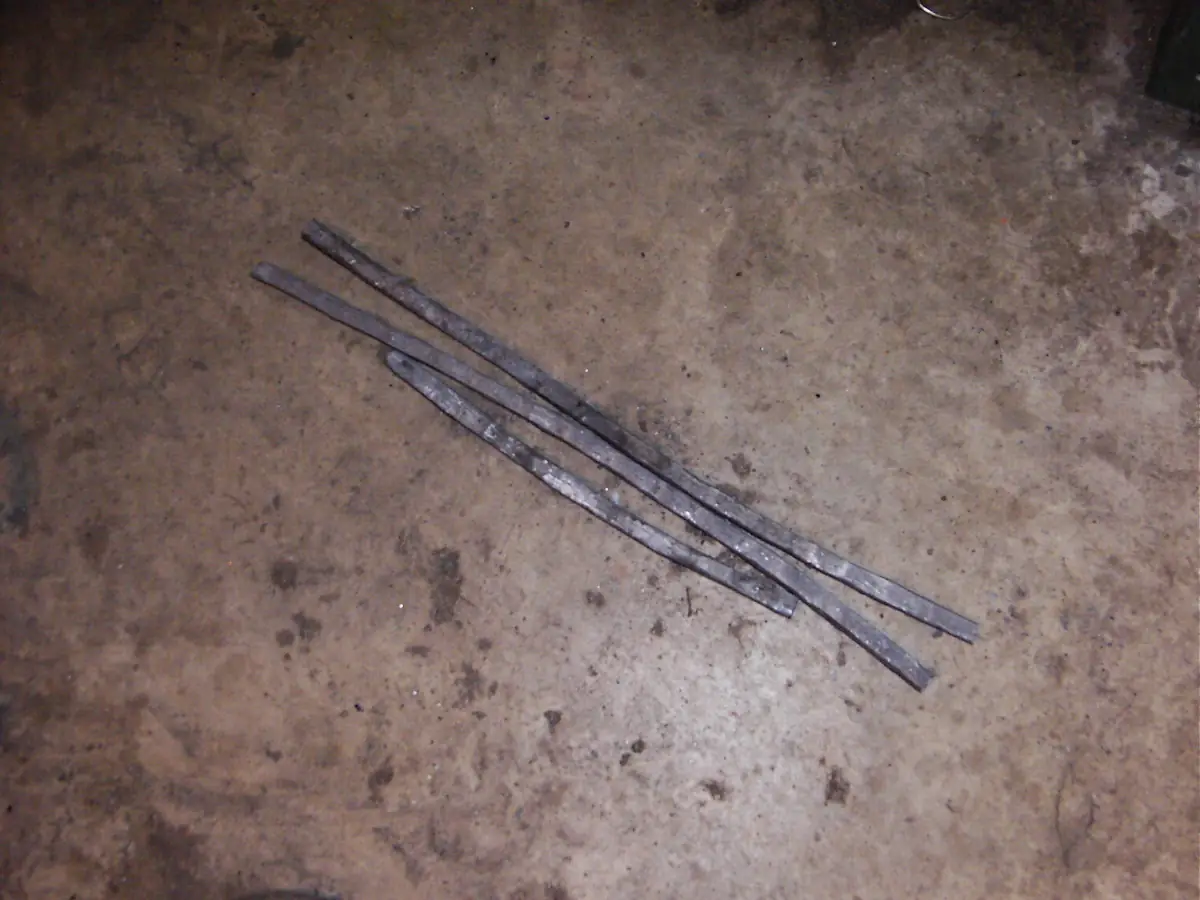
8. Forged and cut into 3
Making of a Seax
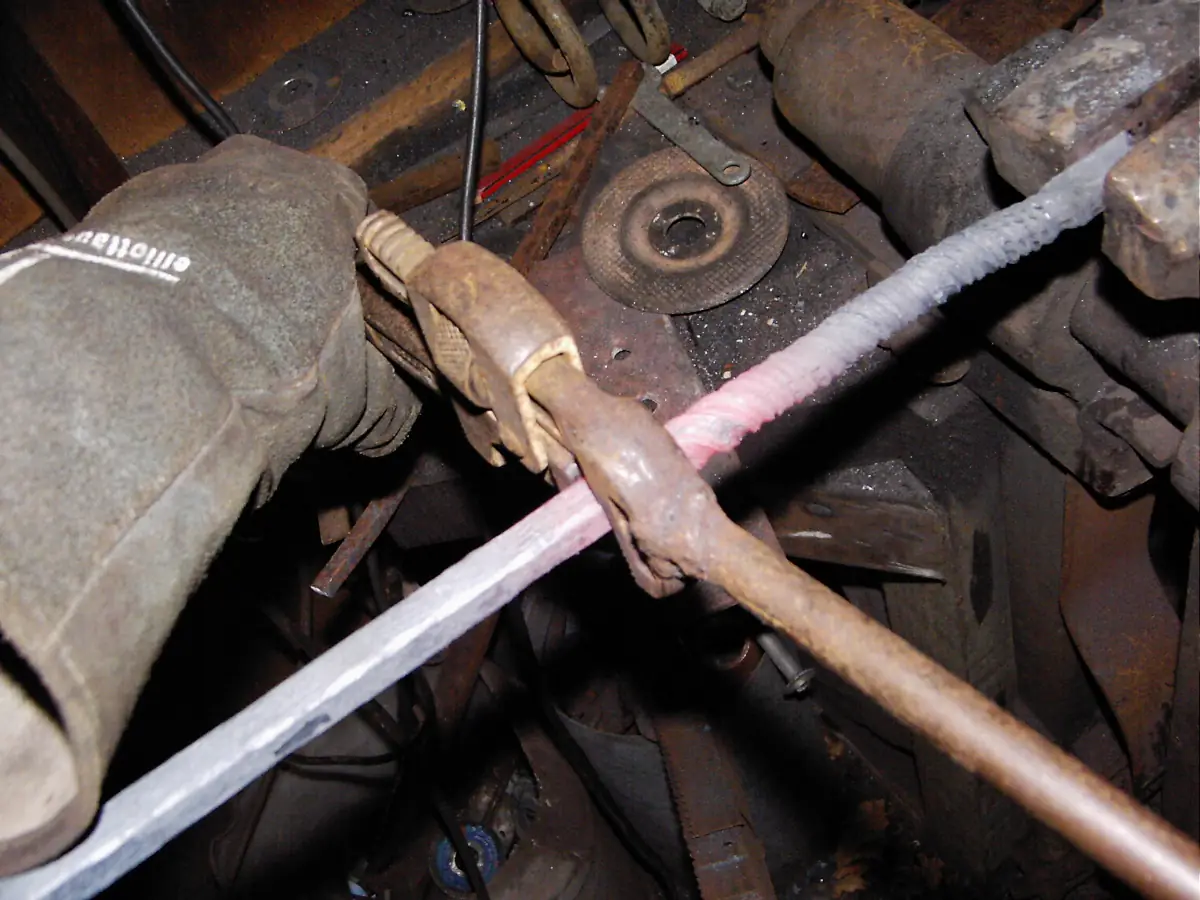
9. Twisting the bar
Making of a Seax
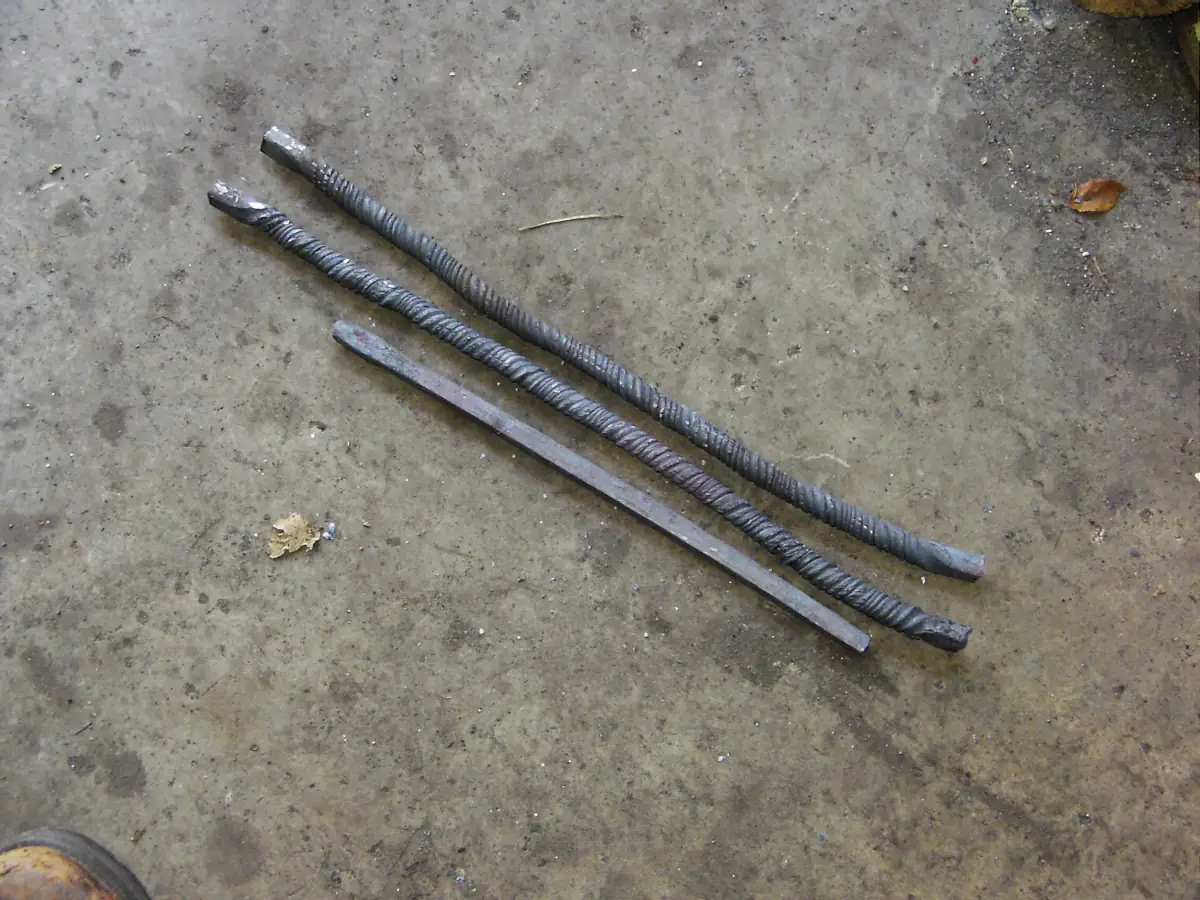
10. Twisted bars
Making of a Seax
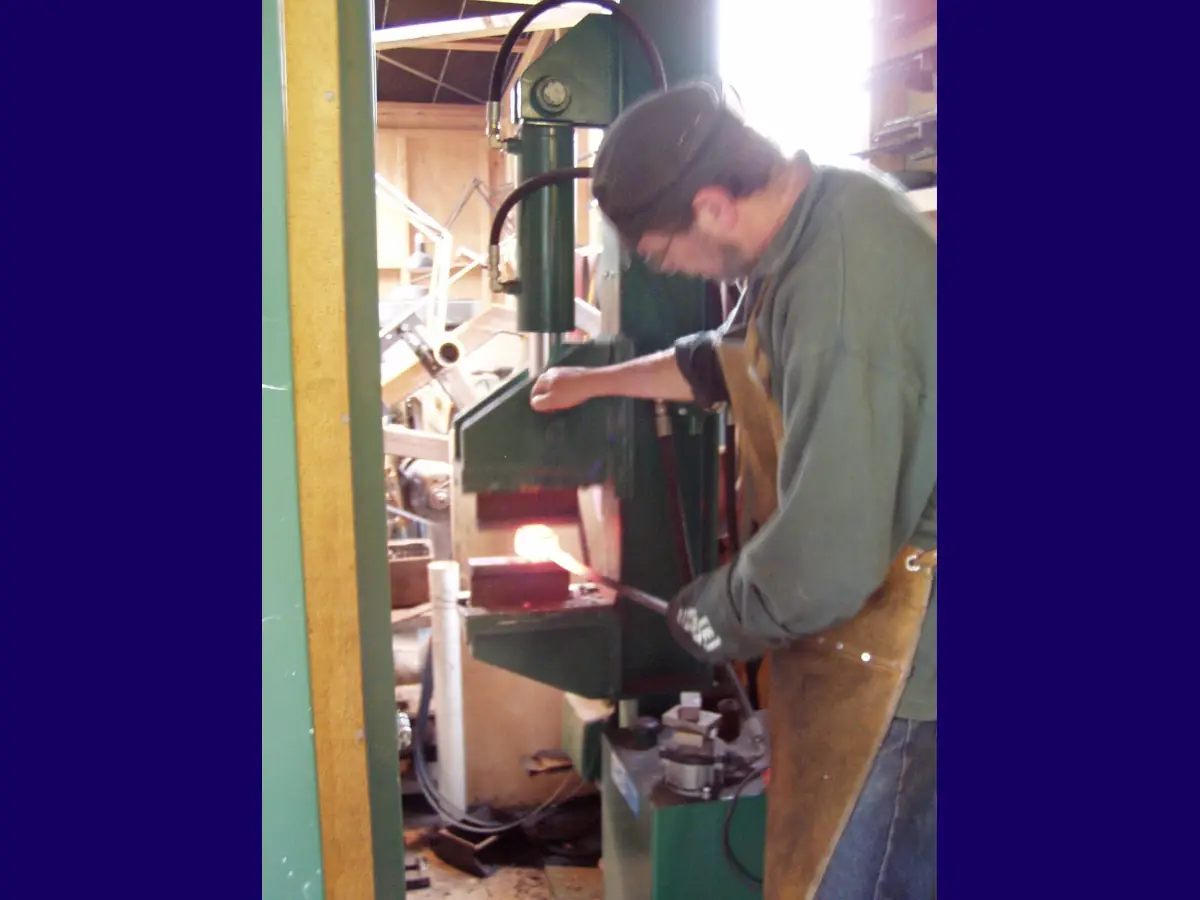
11. Press forging twisted bars square
Making of a Seax
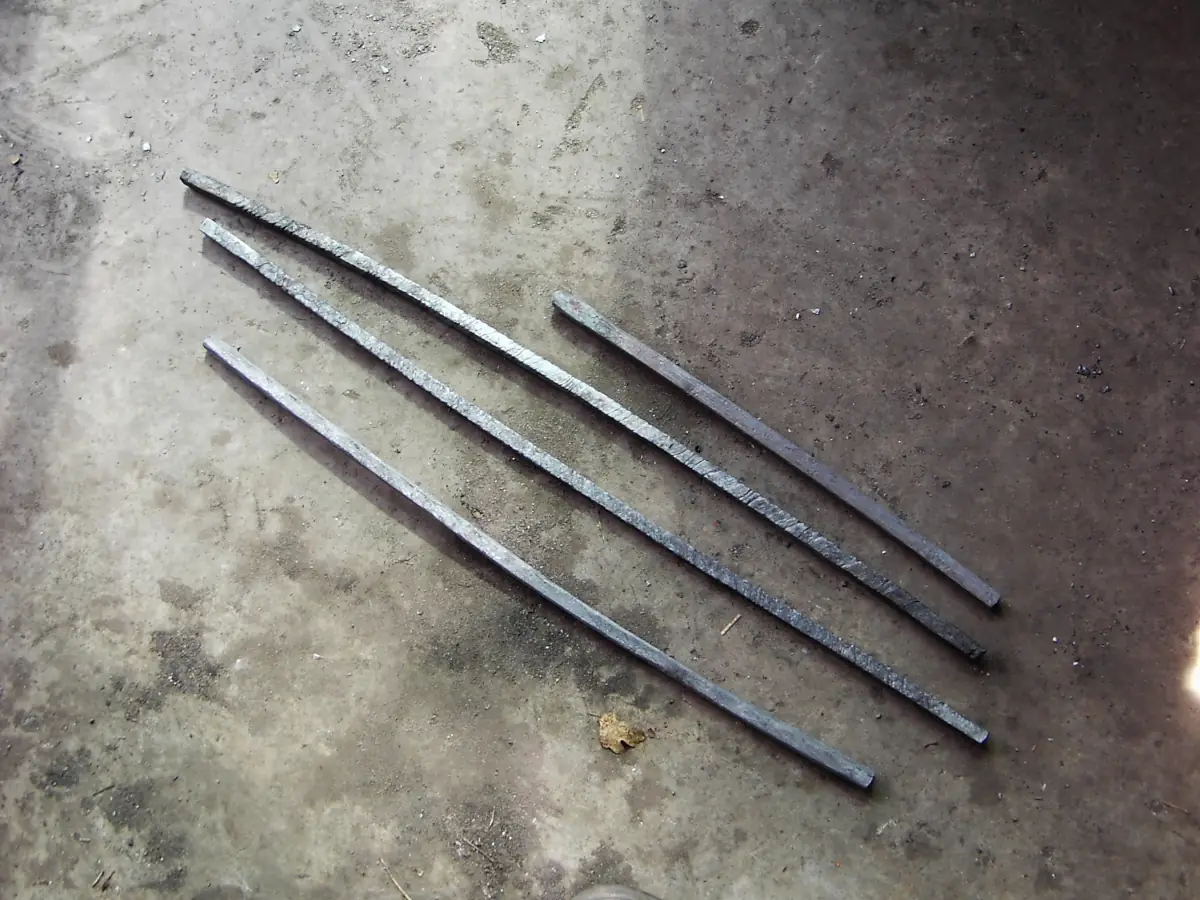
12. One twisted bar for edge added
Making of a Seax
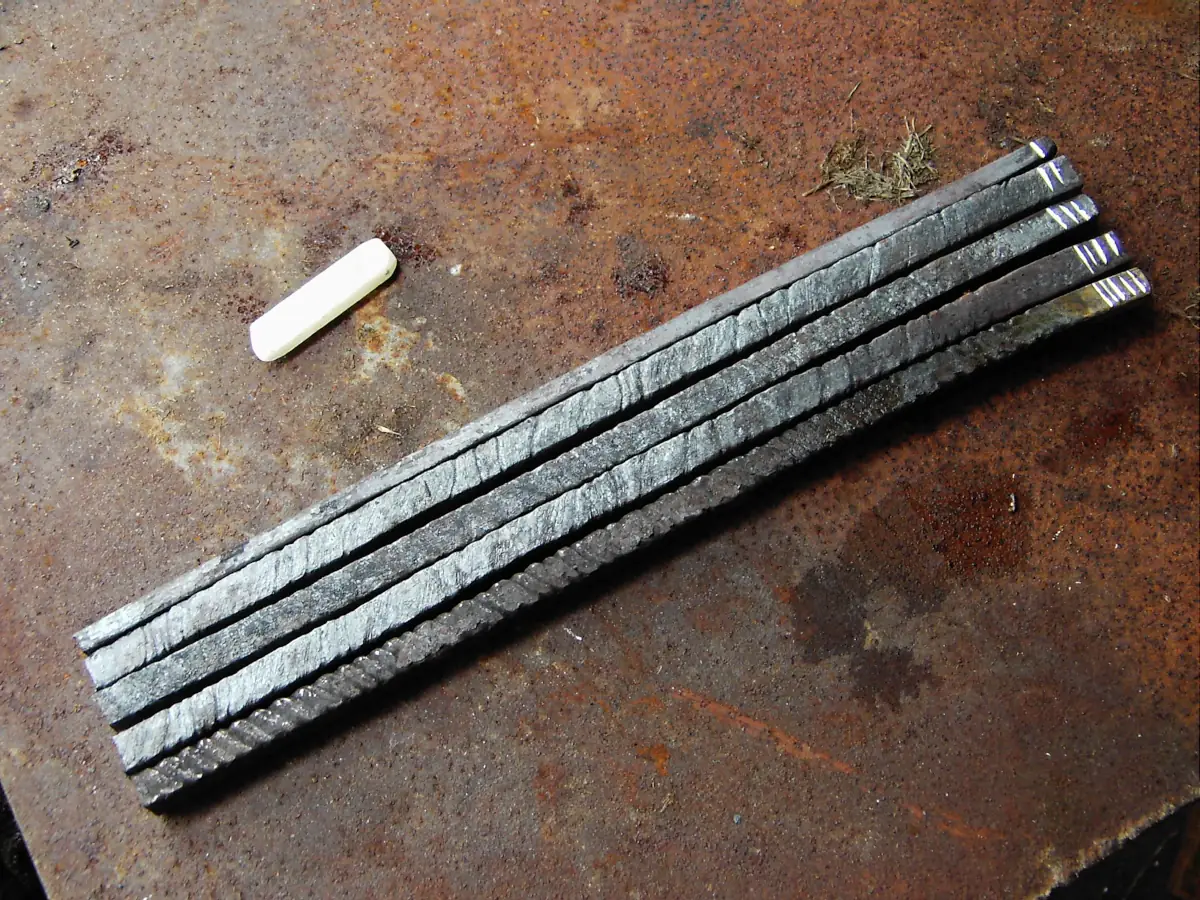
13. Stacking to make seax
Making of a Seax
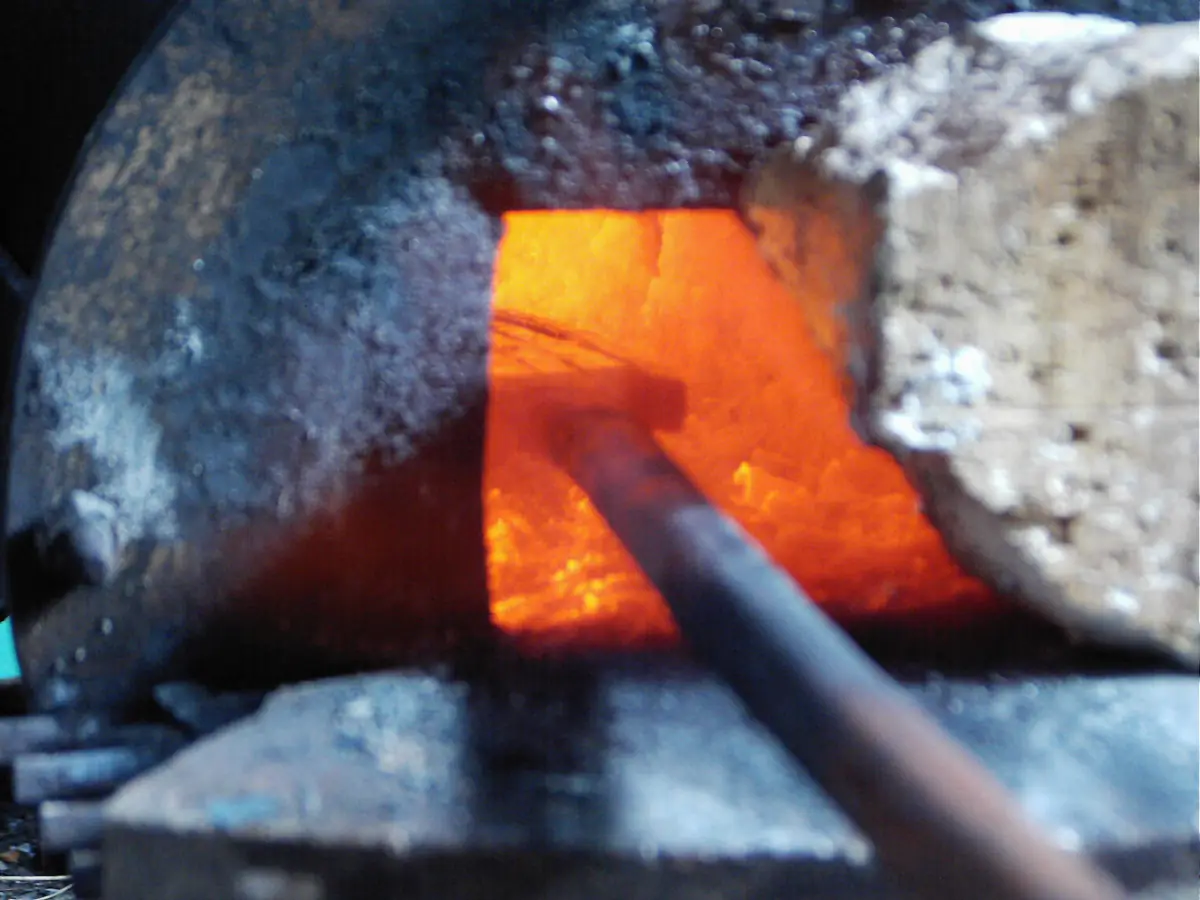
14. In furness
Making of a Seax
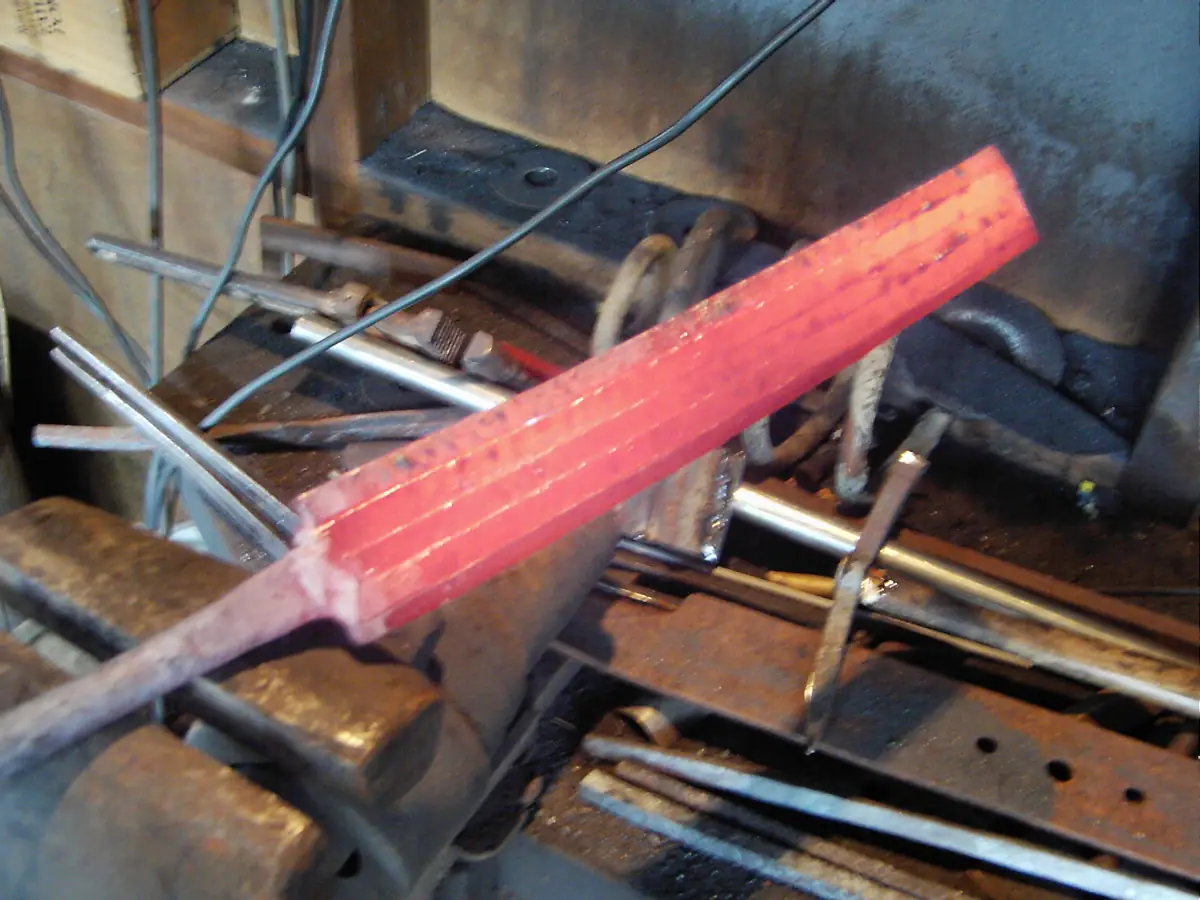
15. Ready for welding
Making of a Seax
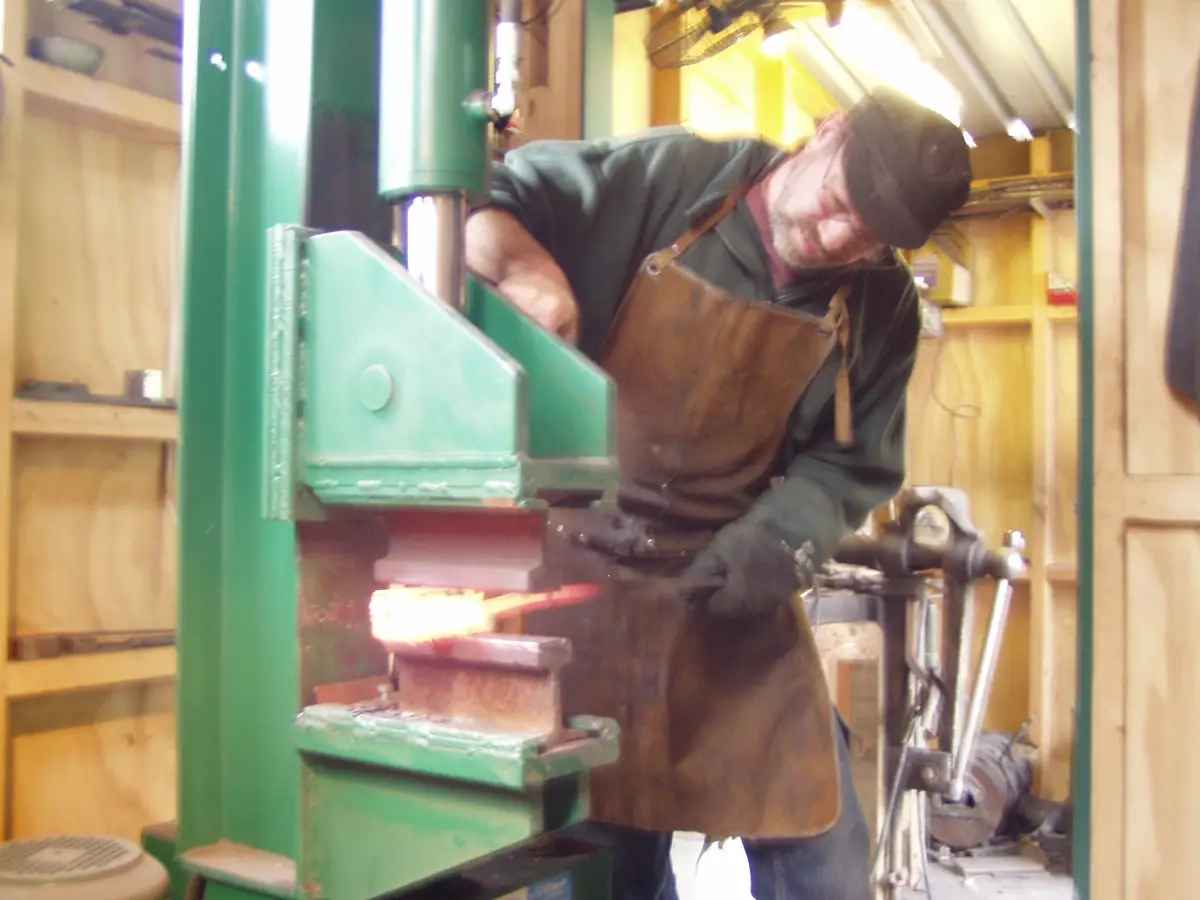
16. Welding under the press
Making of a Seax
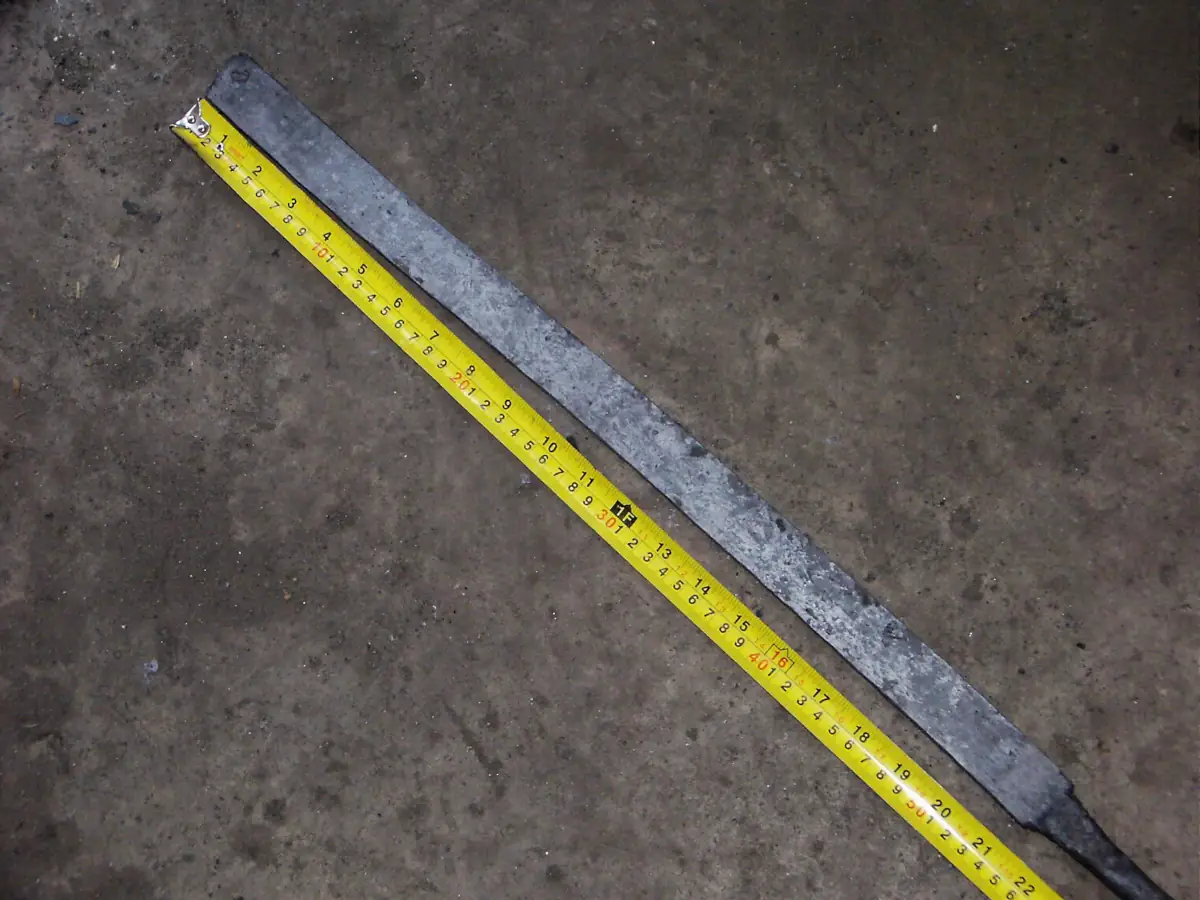
17. Welded bar
Making of a Seax
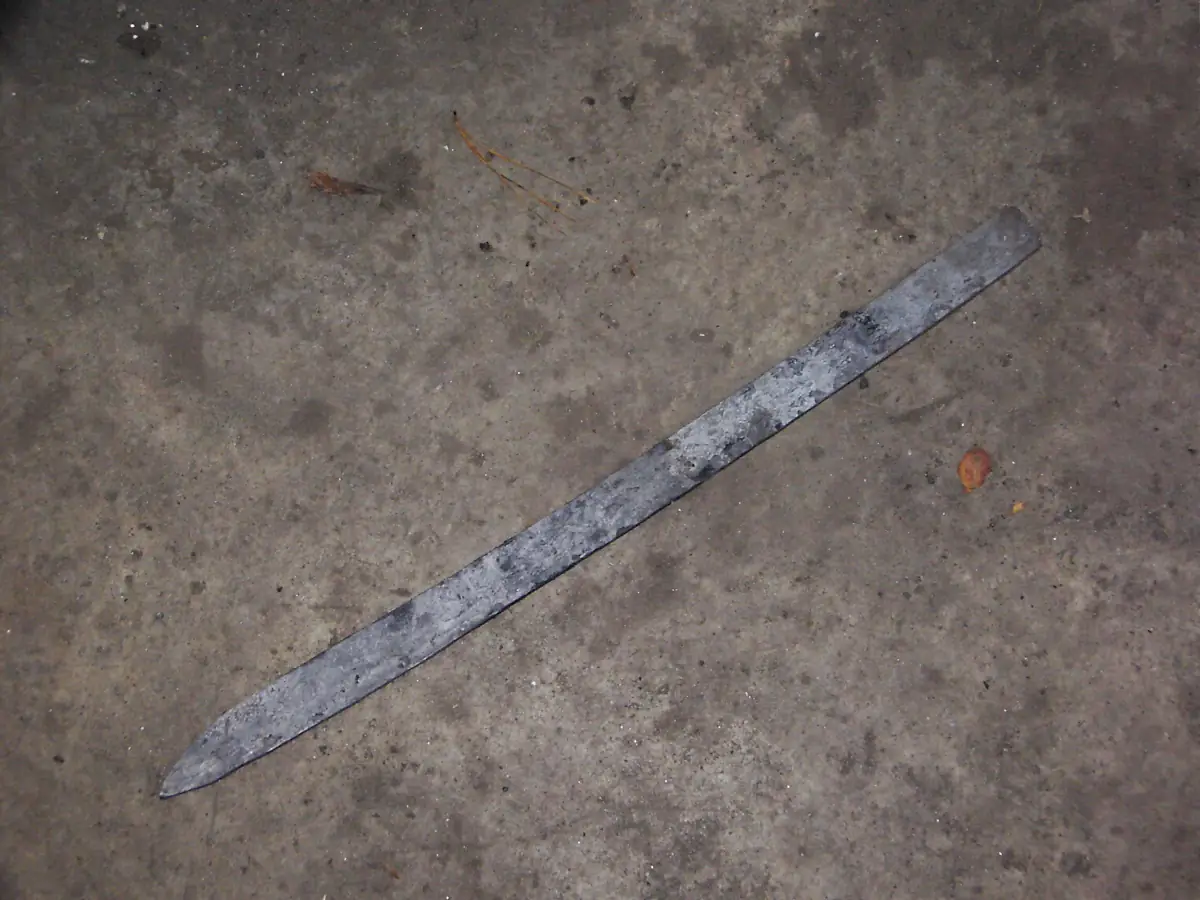
18. Point forged
Making of a Seax
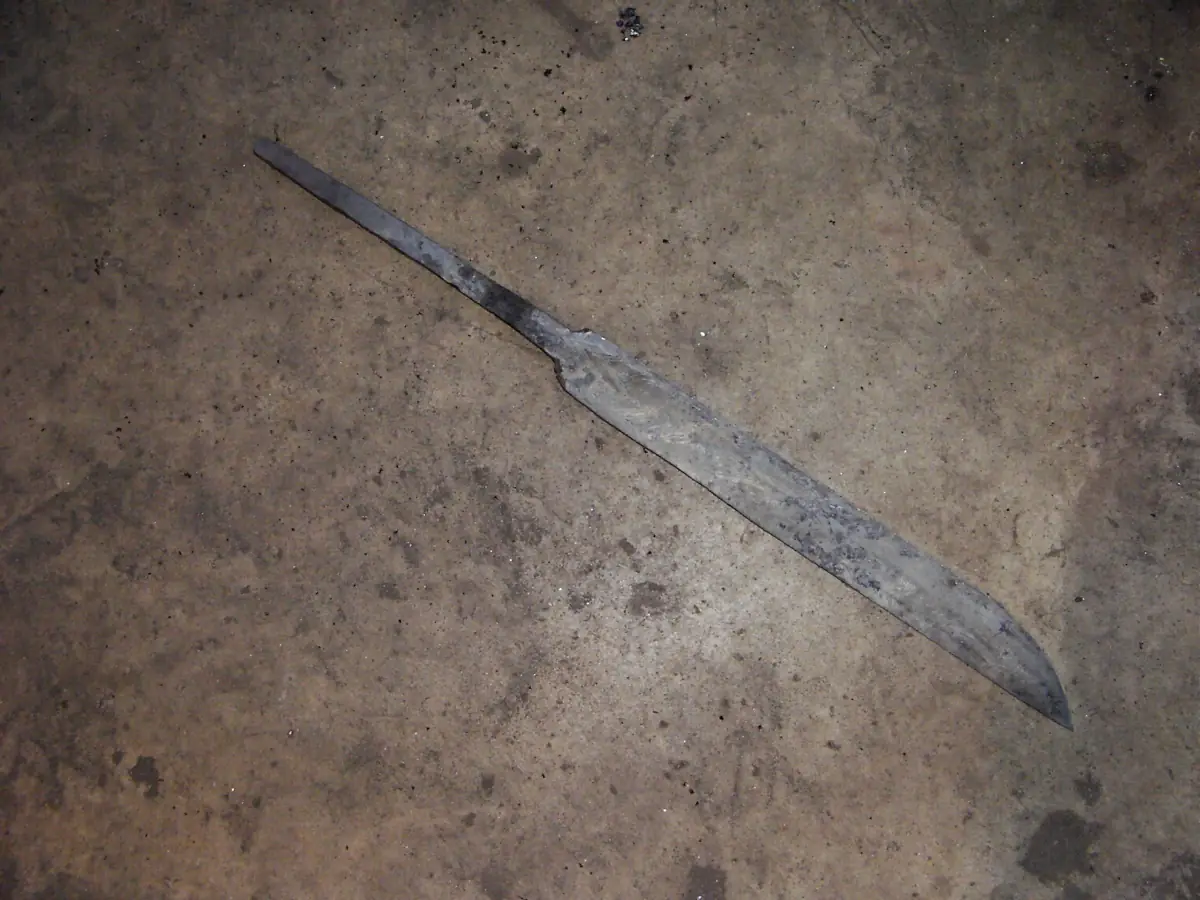
19. Rough forged
Making of a Seax
1. Steel plates
Making of a Seax
2. Tacked together
Making of a Seax
3. In furnace
Making of a Seax
4. Cleaning the hot billet
Making of a Seax
5. Fluxing the billet
Making of a Seax
6. Out of the furnace
Making of a Seax
7. Press forging
Making of a Seax
8. Forged and cut into 3
Making of a Seax
9. Twisting the bar
Making of a Seax
10. Twisted bars
Making of a Seax
11. Press forging twisted bars square
Making of a Seax
12. One twisted bar for edge added
Making of a Seax
13. Stacking to make seax
Making of a Seax
14. In furness
Making of a Seax
15. Ready for welding
Making of a Seax
16. Welding under the press
Making of a Seax
17. Welded bar
Making of a Seax
18. Point forged
Making of a Seax
19. Rough forged
Making of a Seax
Gallery of my work
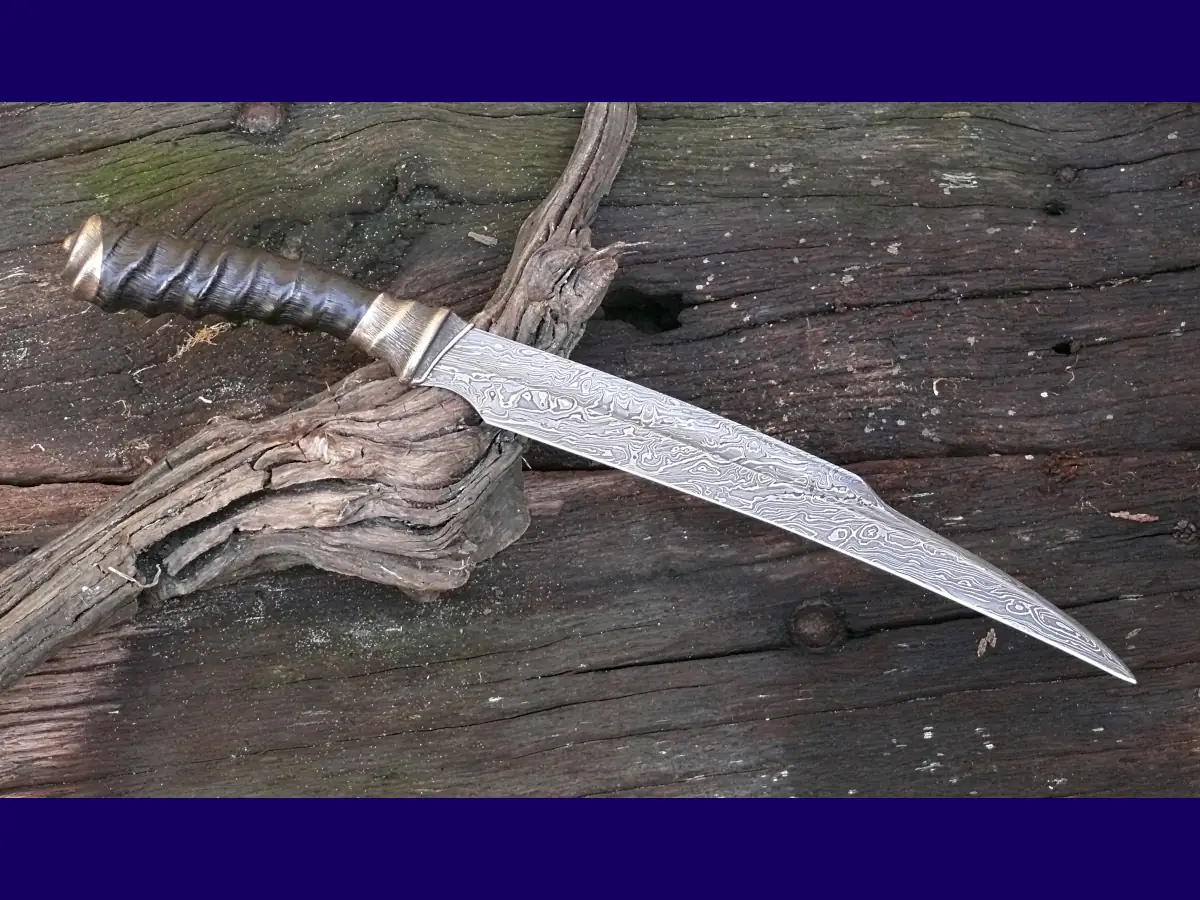
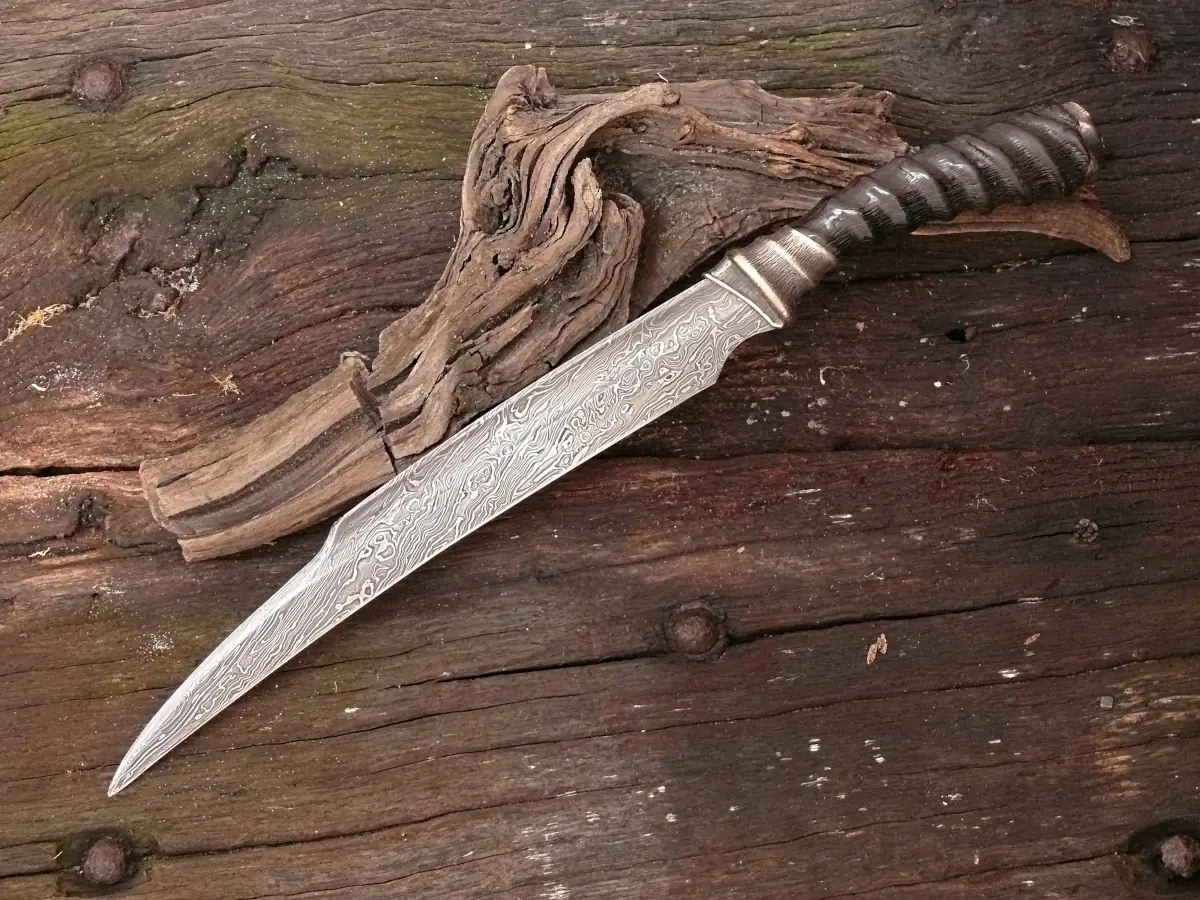
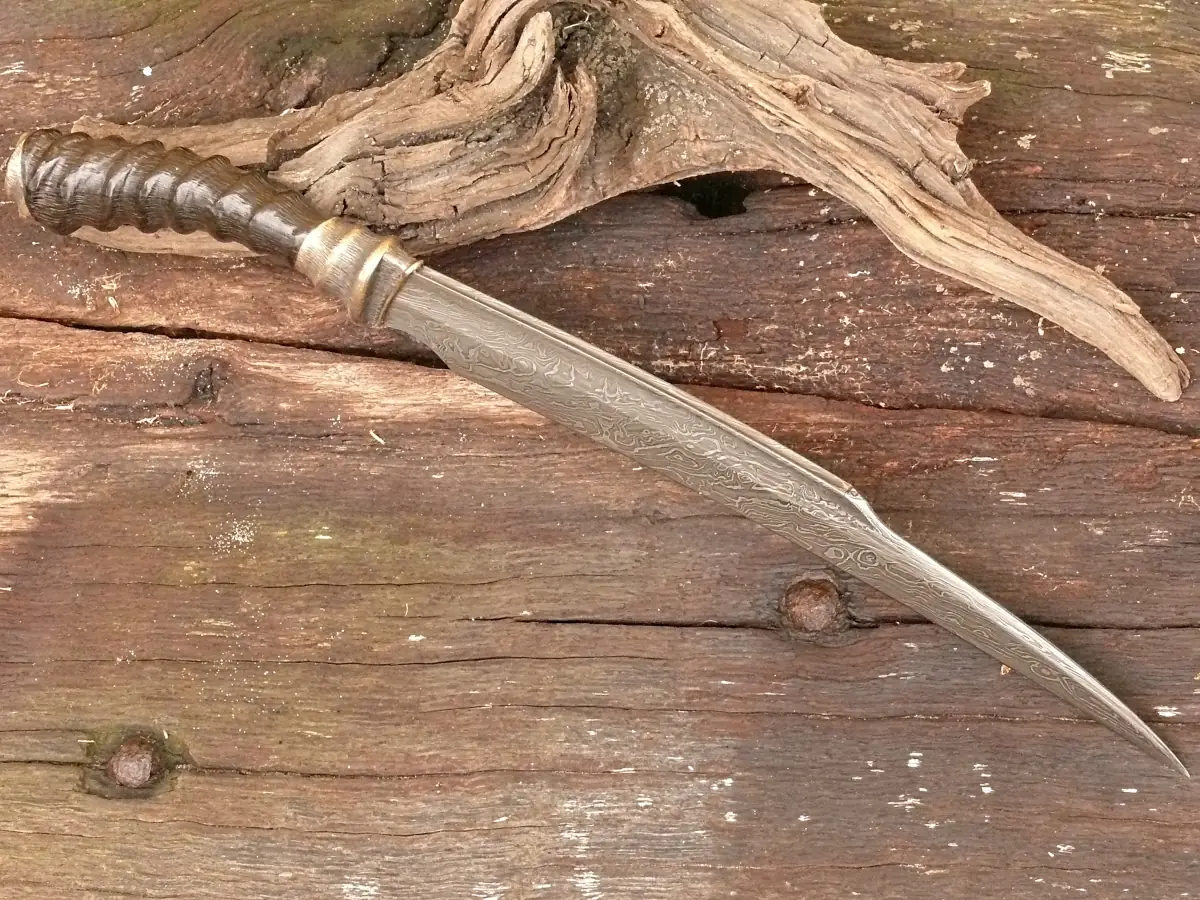
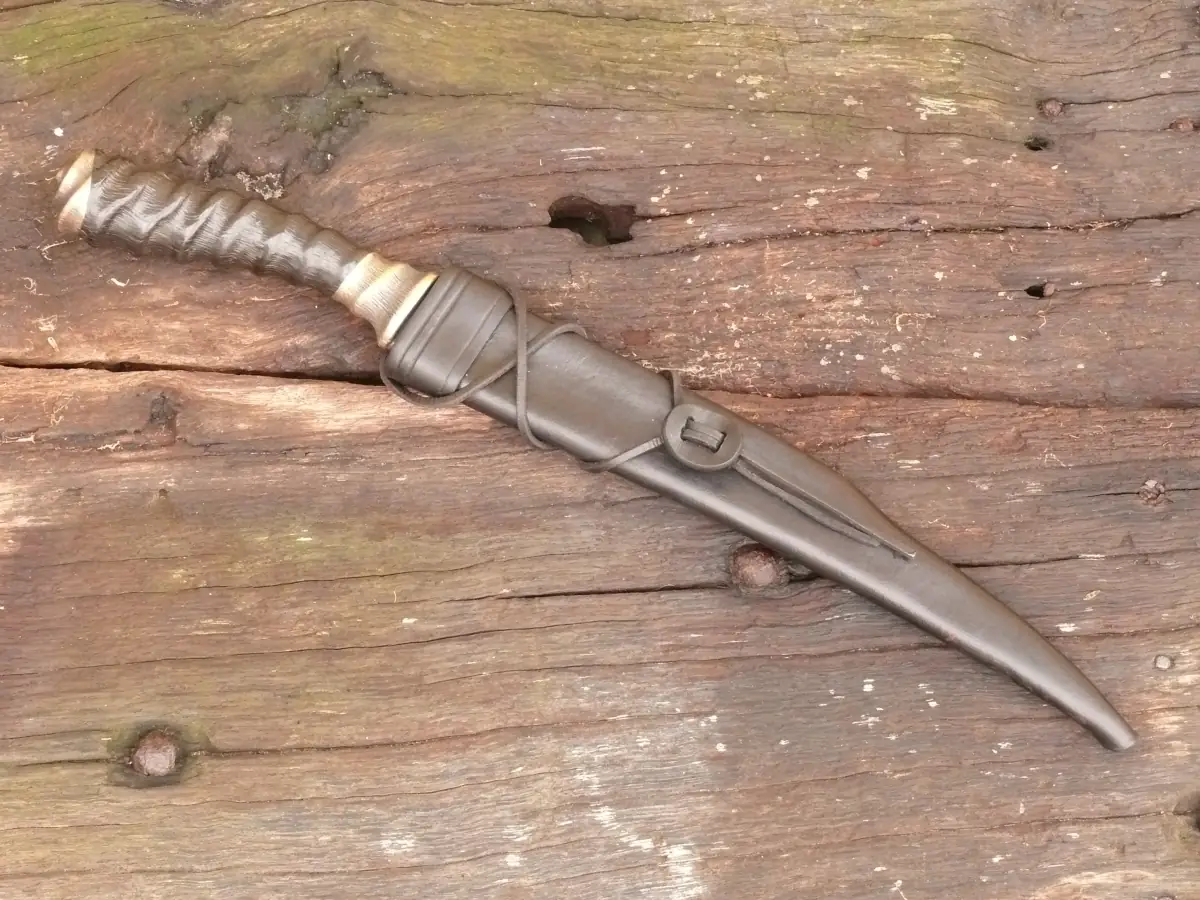
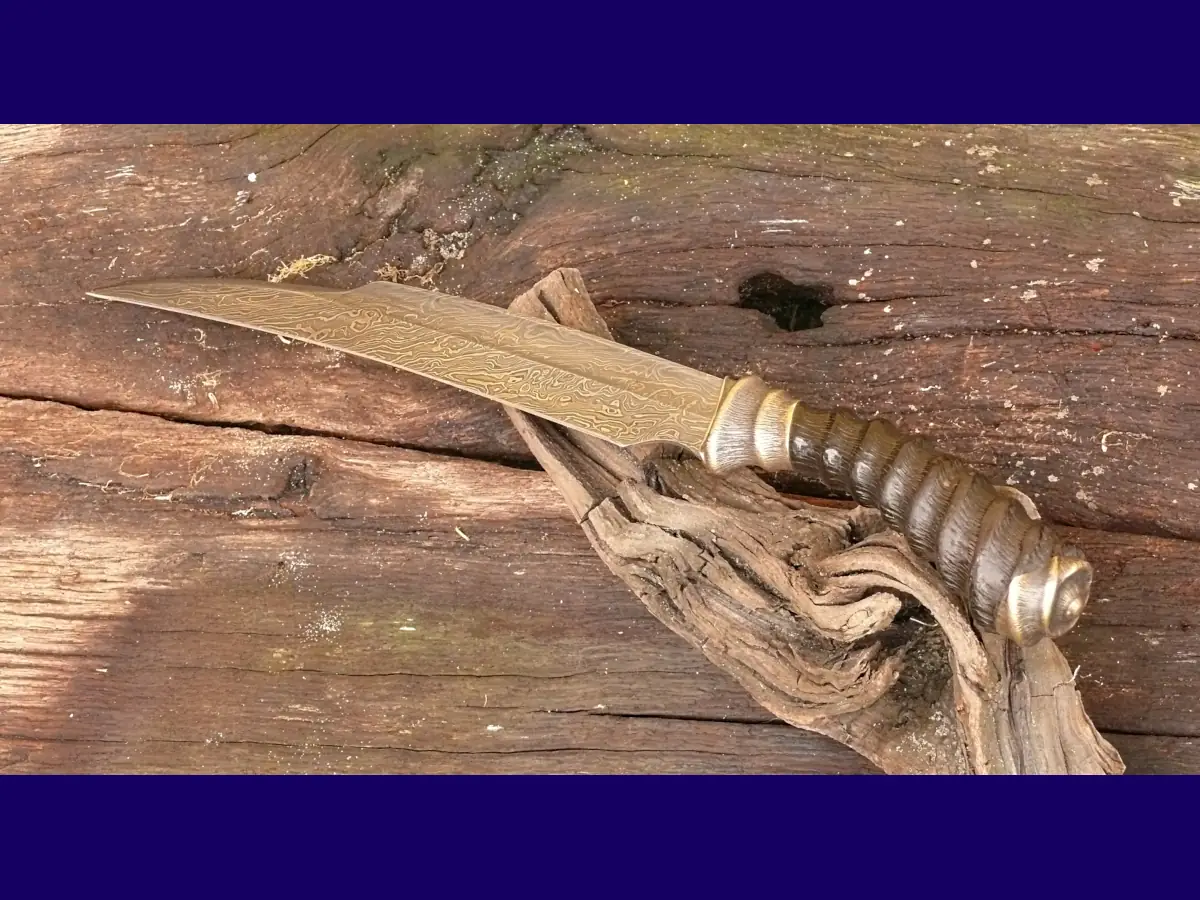
Talon
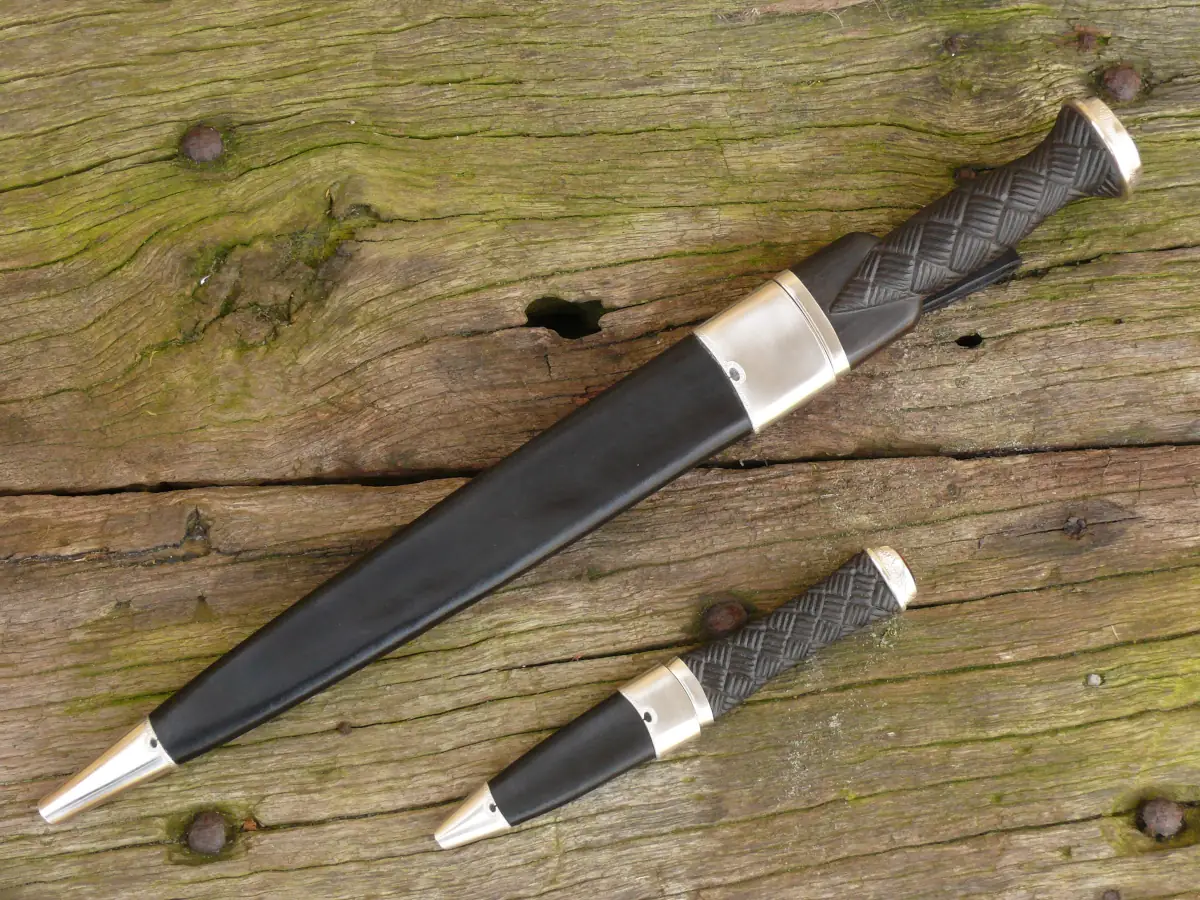
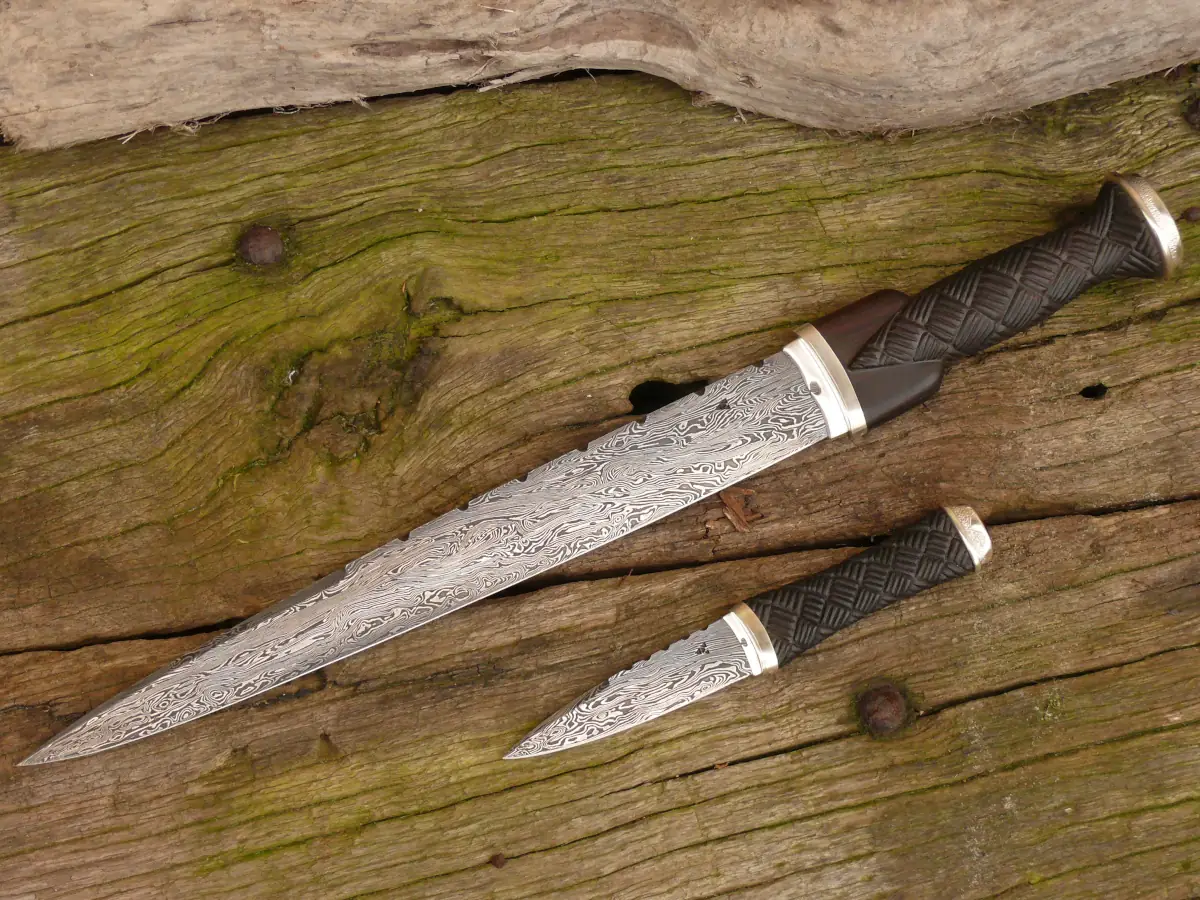
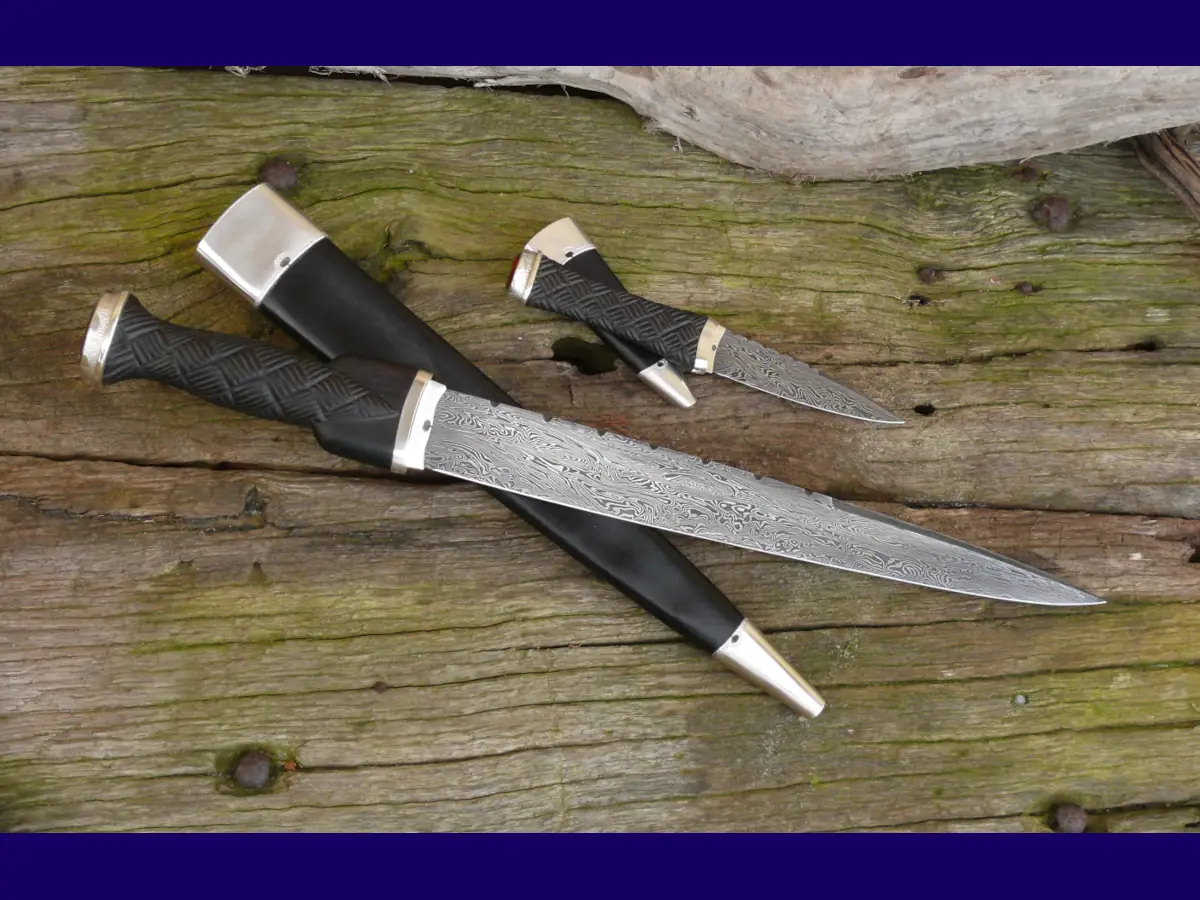
Dirk & Sgian
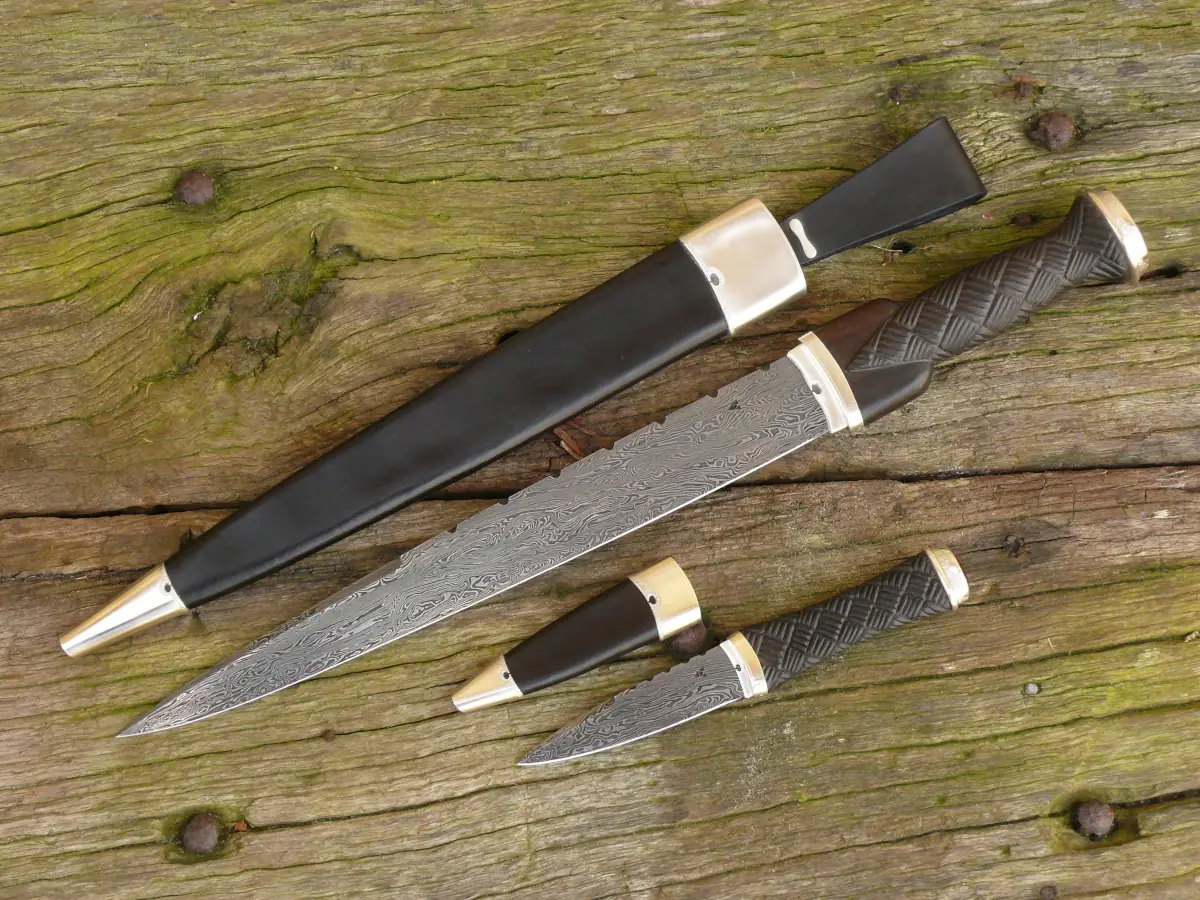
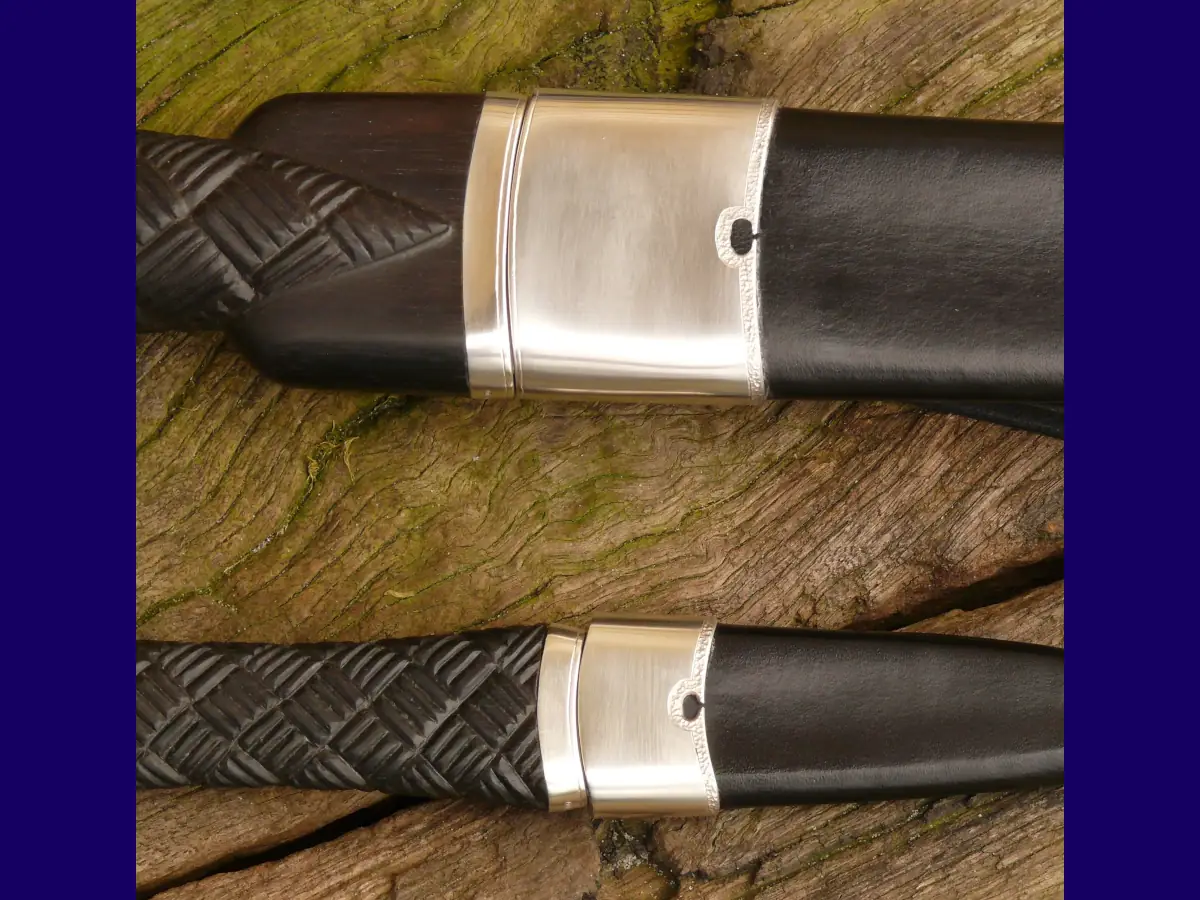
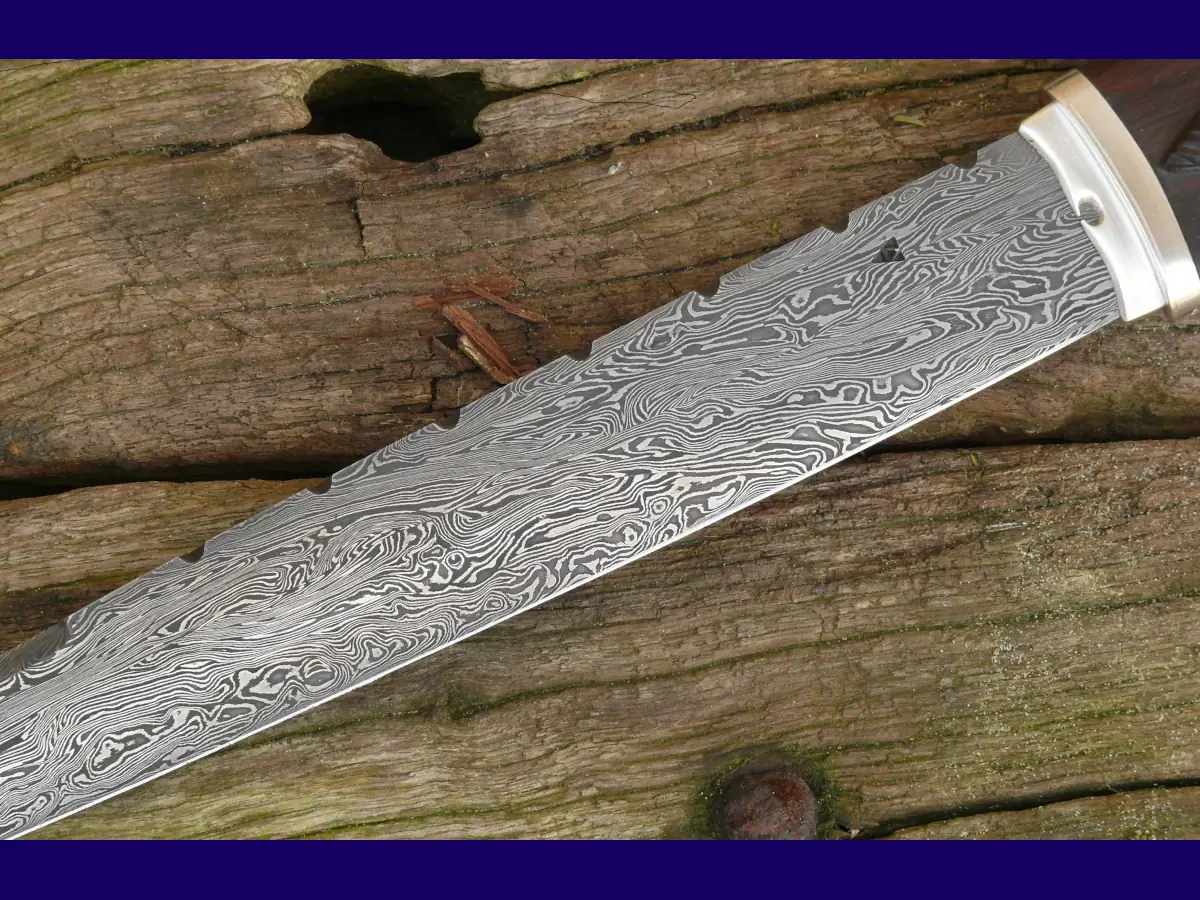
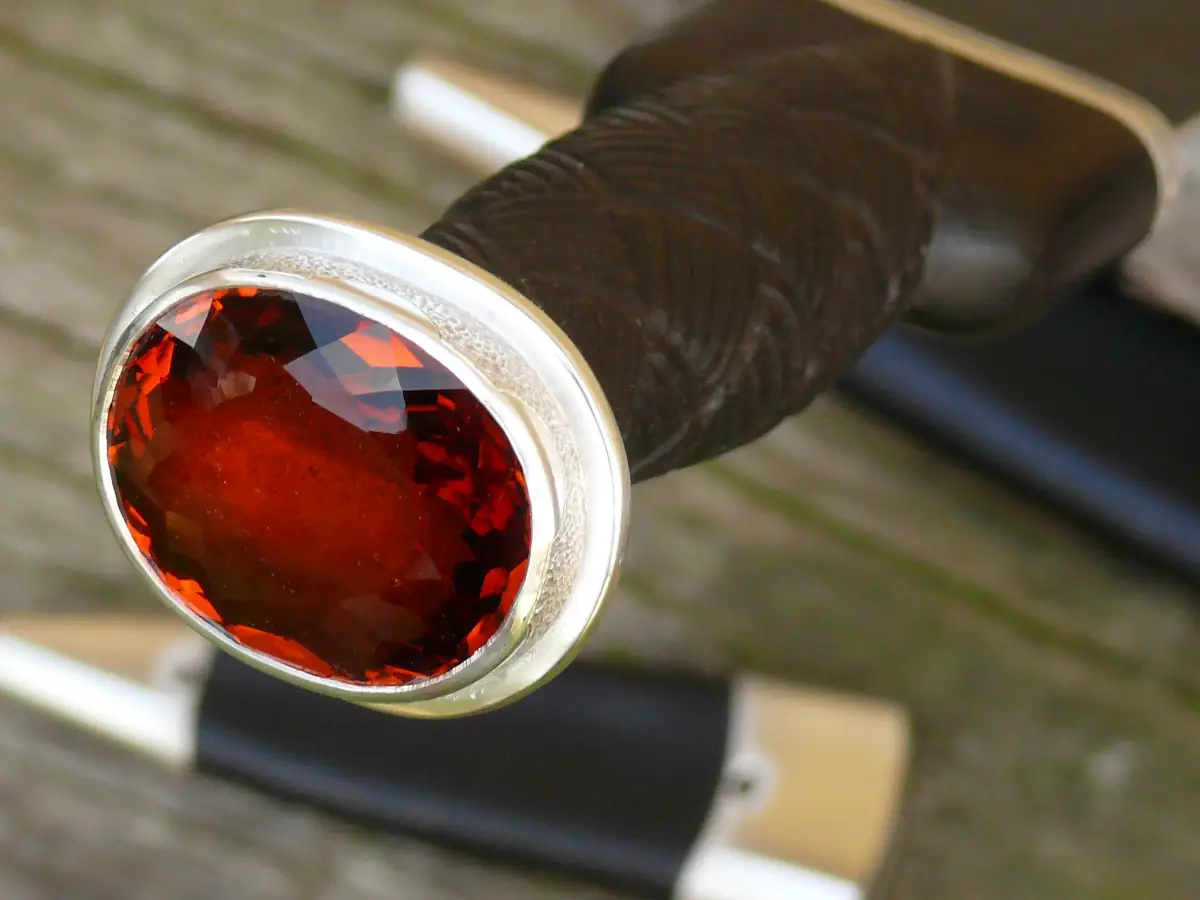
Bowie
other blades . . .